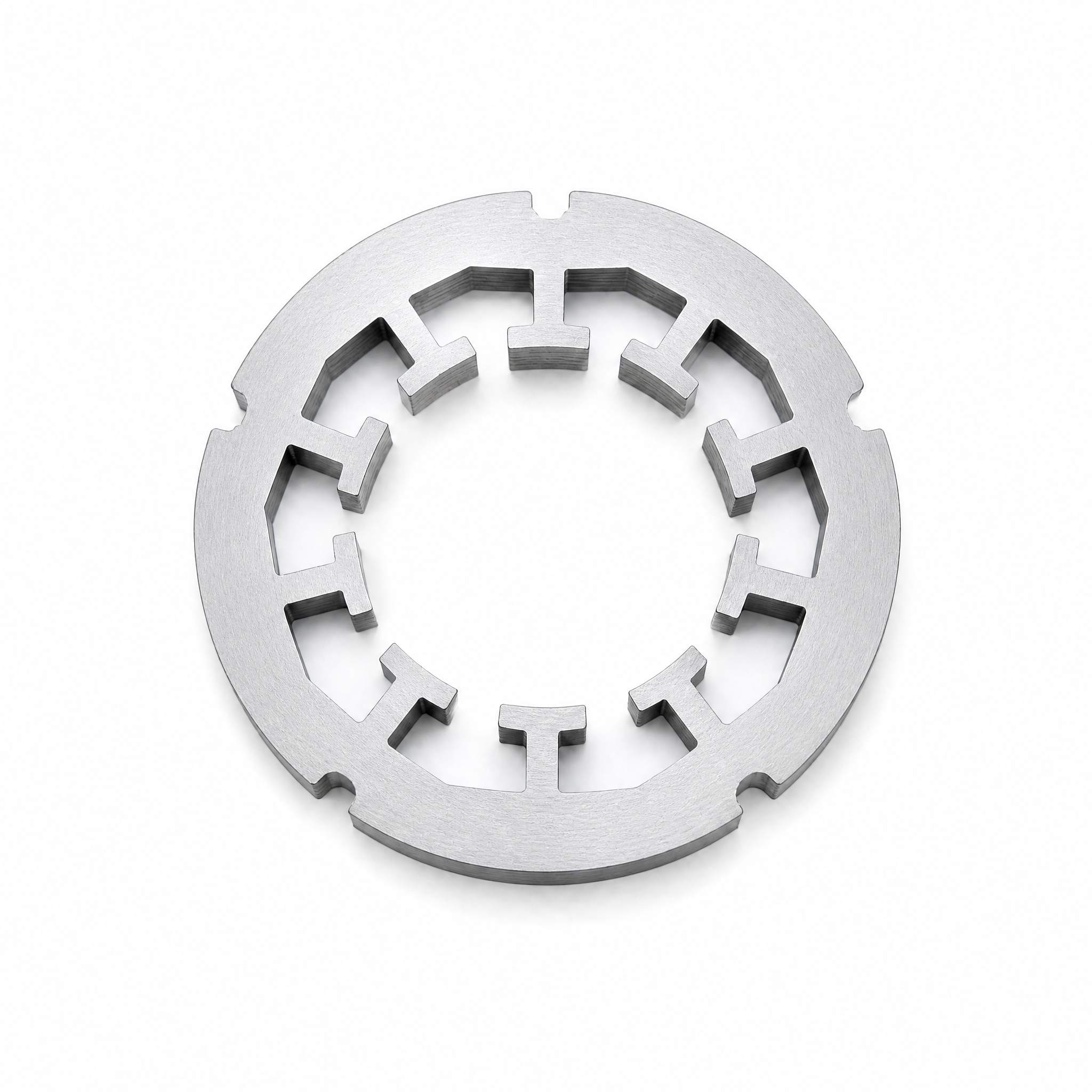
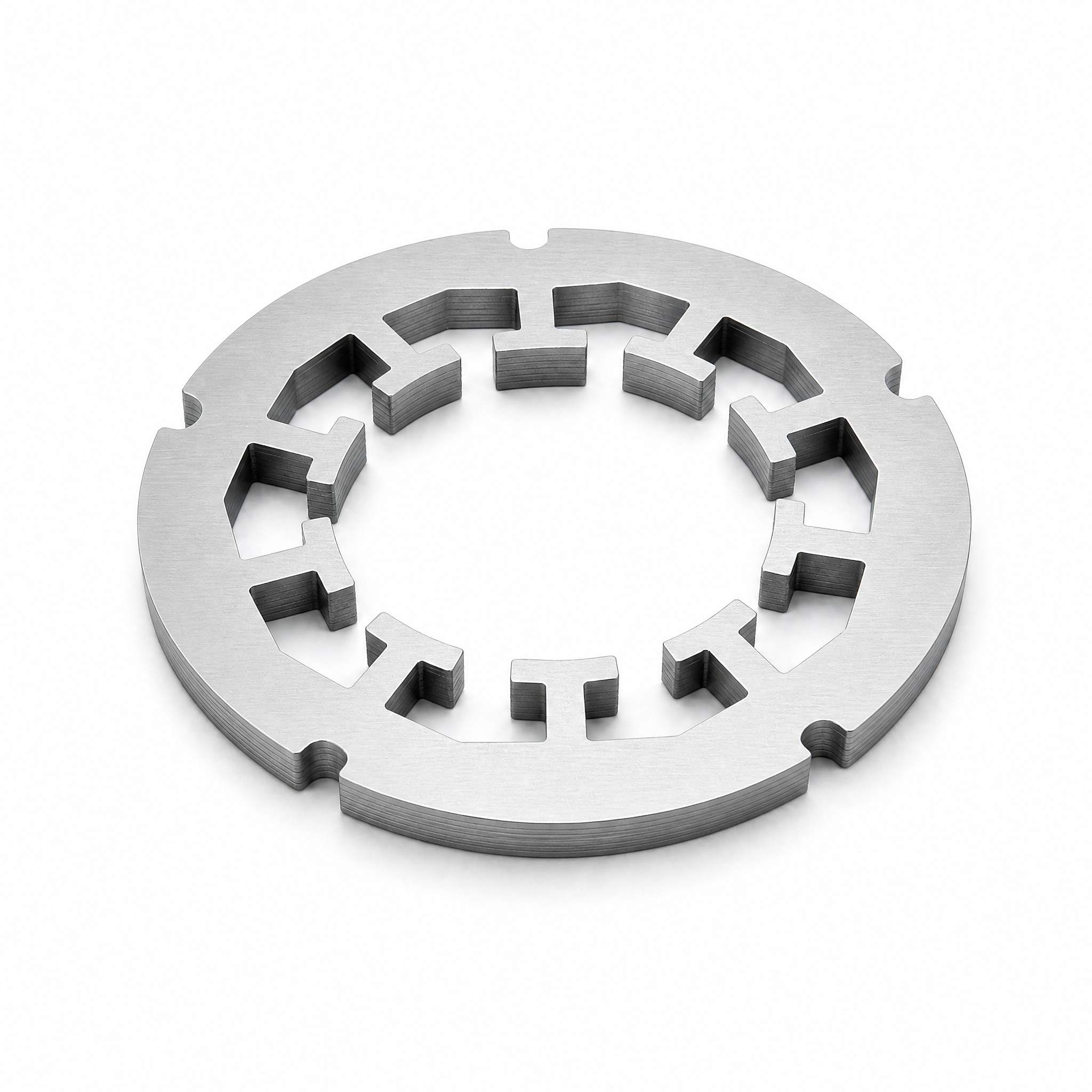
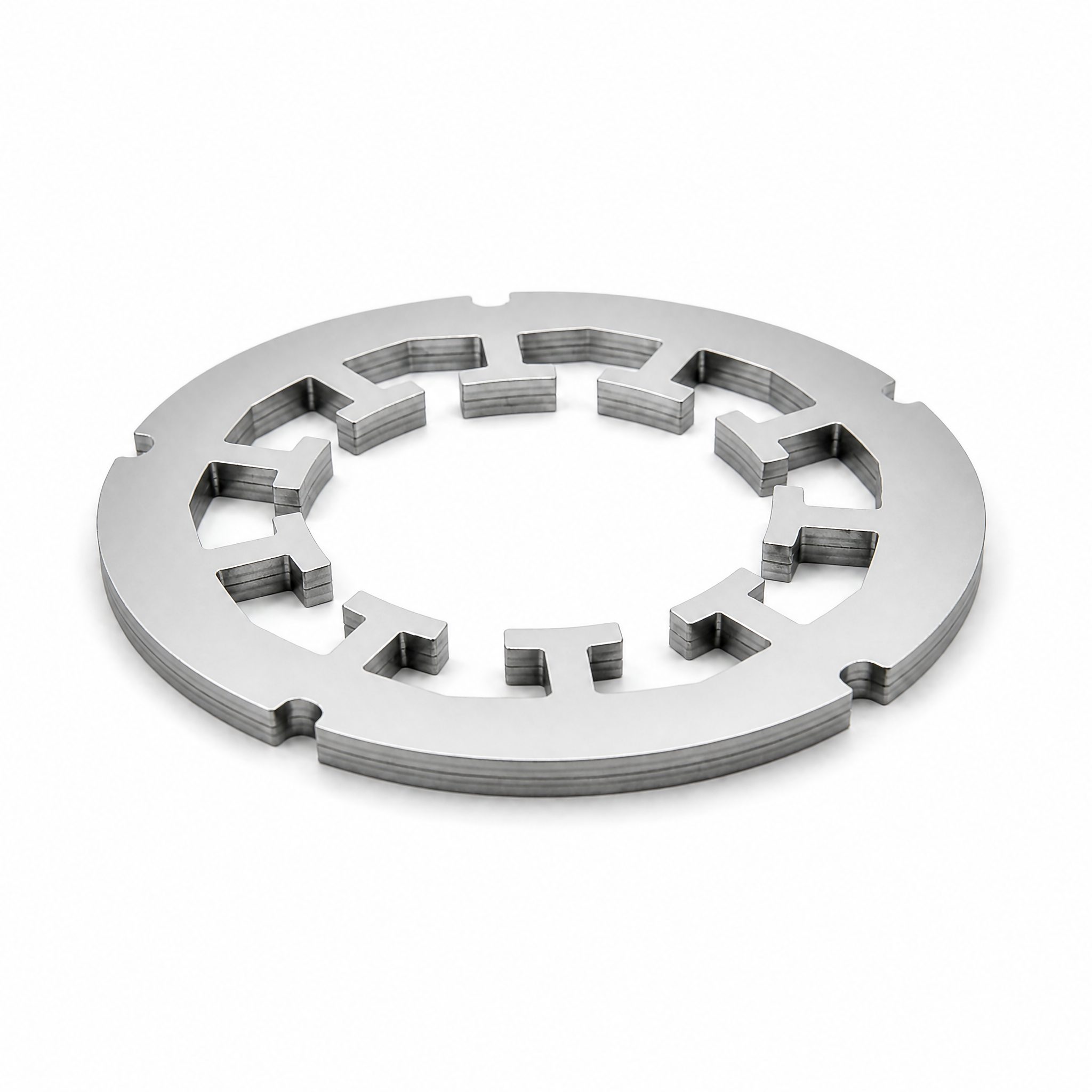
Radial Motor Core
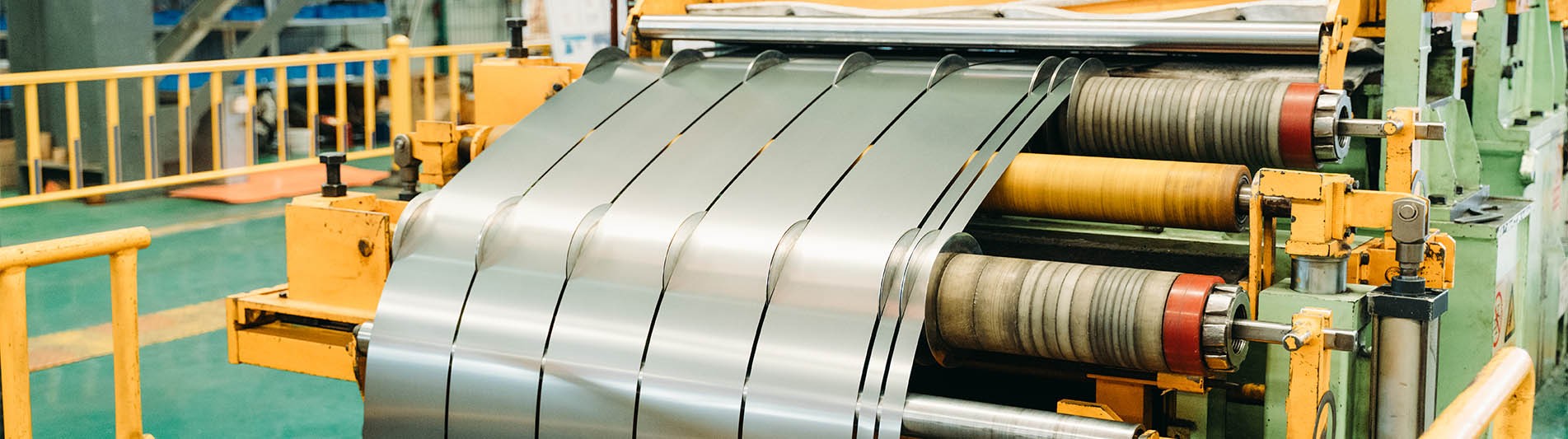
Shunge Steel manufactures custom radial motor cores in Foshan, Guangdong, China — stator and rotor cores built from stamped electrical steel laminations and stacked to the dimensions your motor design calls for.
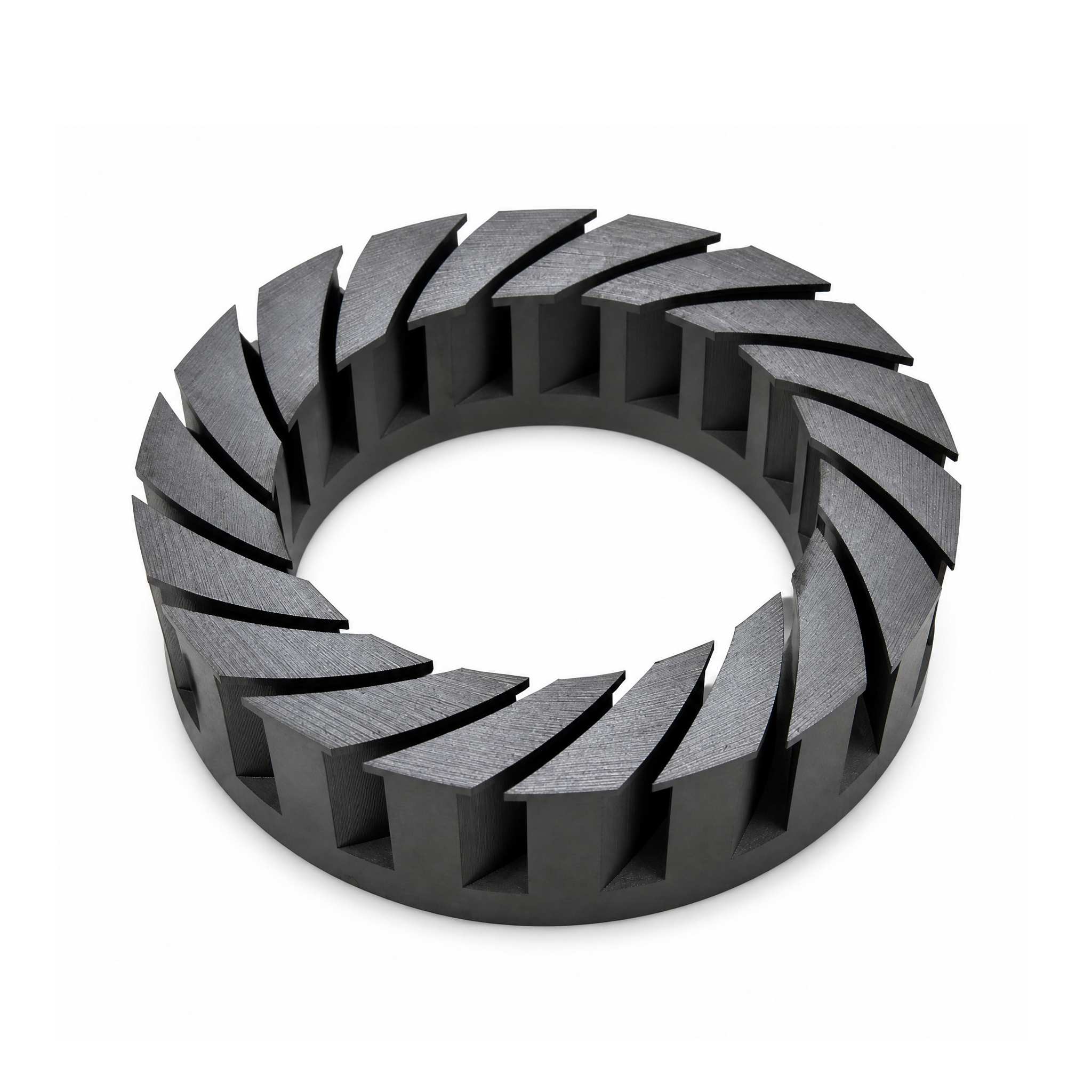
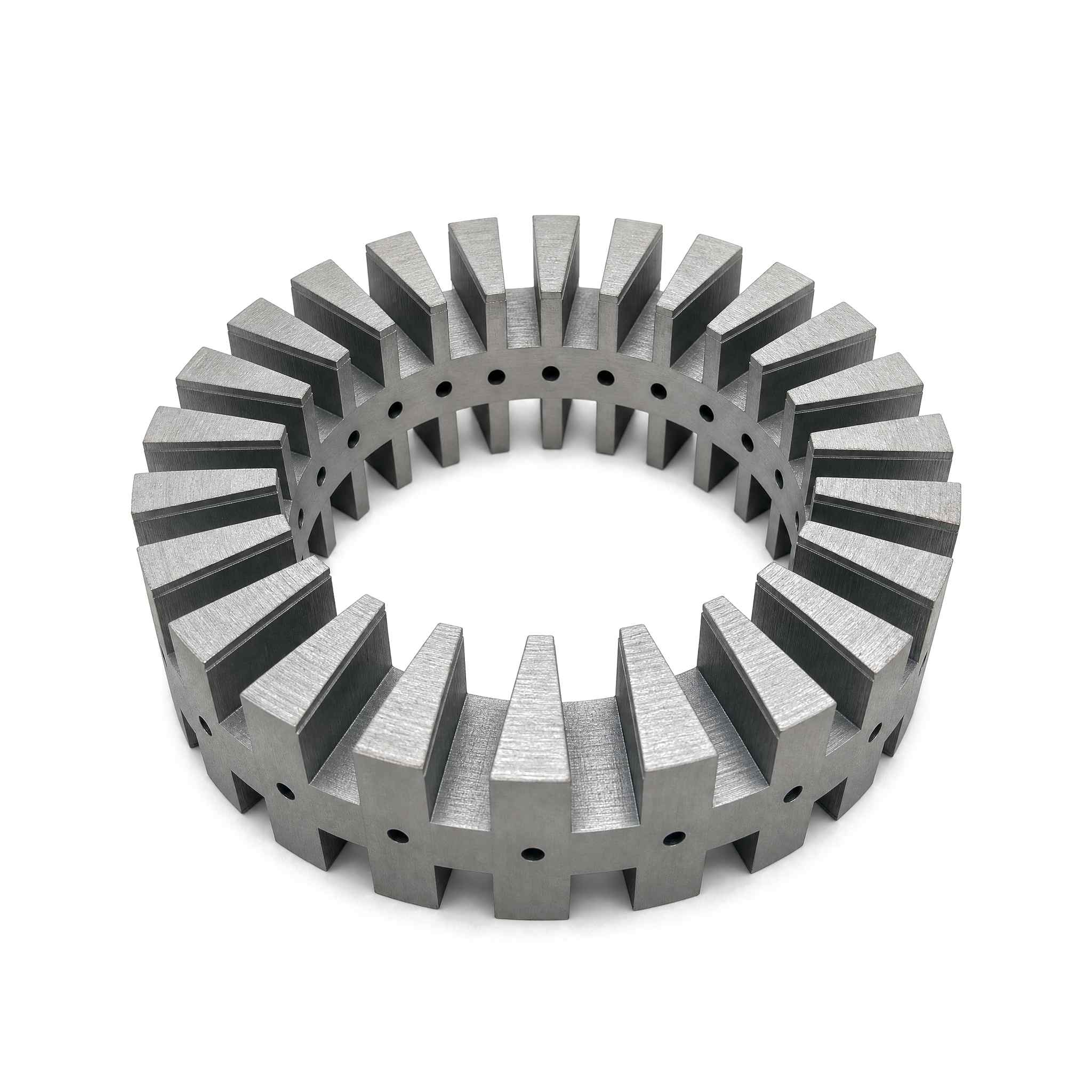
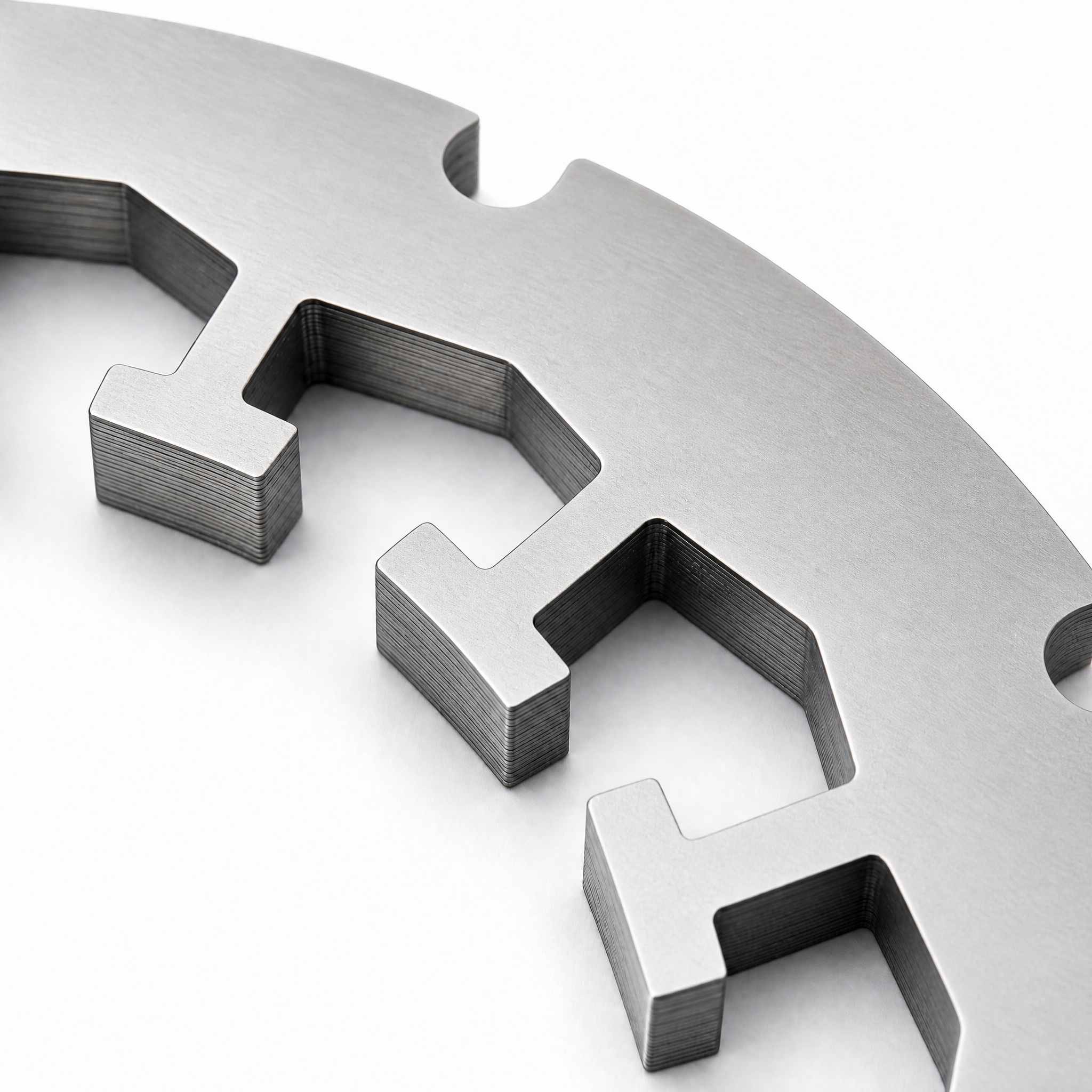
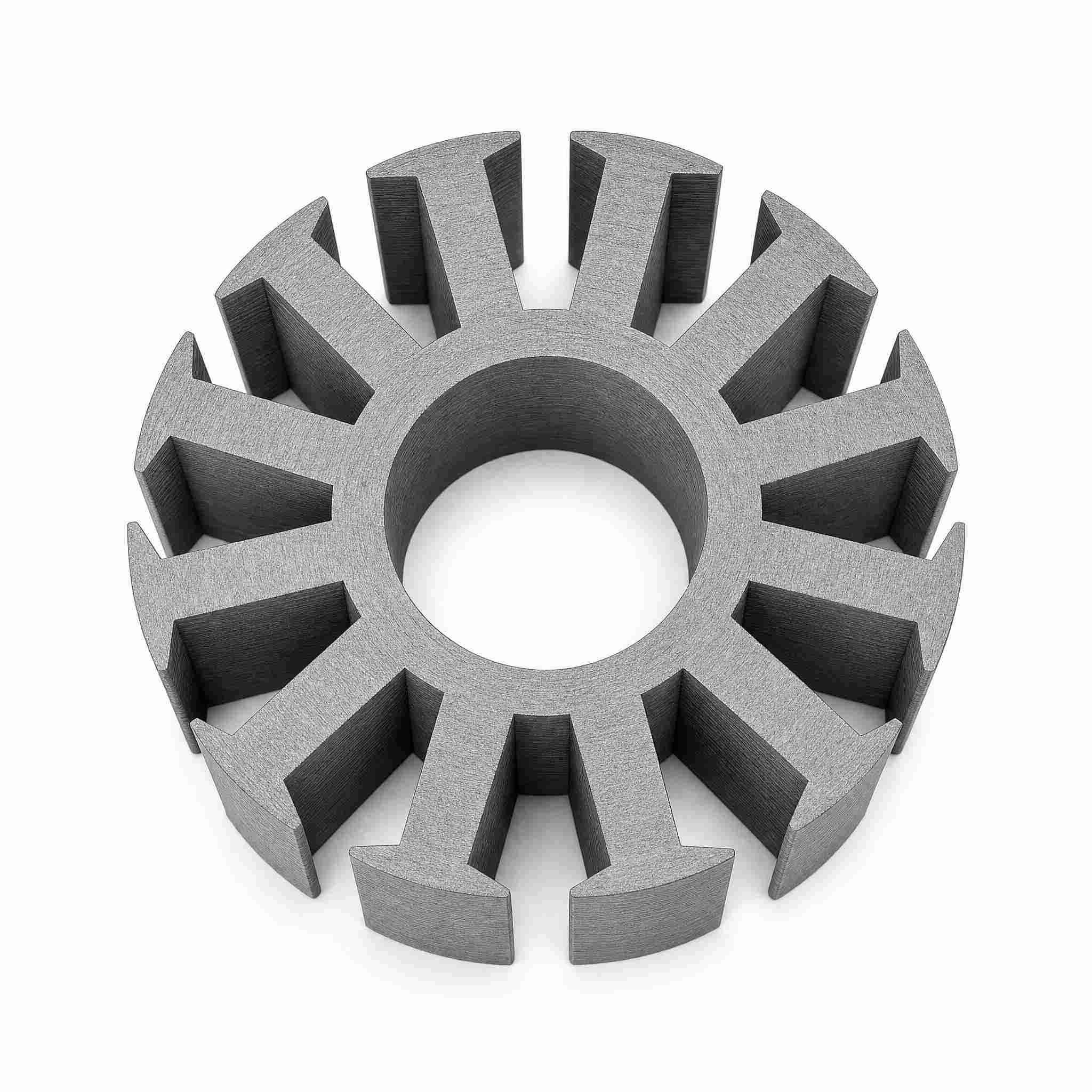
The radial flux motor is the cylindrical machine used in the great majority of electric motors. Its stator core is a ring of slotted laminations stacked along the shaft axis, and its rotor core is the matching stack that turns inside it. A radial motor core is therefore a stamped lamination stack: the stamping die, the stacking method and the burr control are what decide whether the finished core performs.
Every core is produced to the customer's drawing. You send us the lamination profile, slot geometry, outer and inner diameter, stacking height, material grade, stacking method and tolerance requirements. We review the design, quote the tooling and produce the cores.
Origine du produit :
CHINAPort d'expédition :
NANSHA/SHEKOUPaiement :
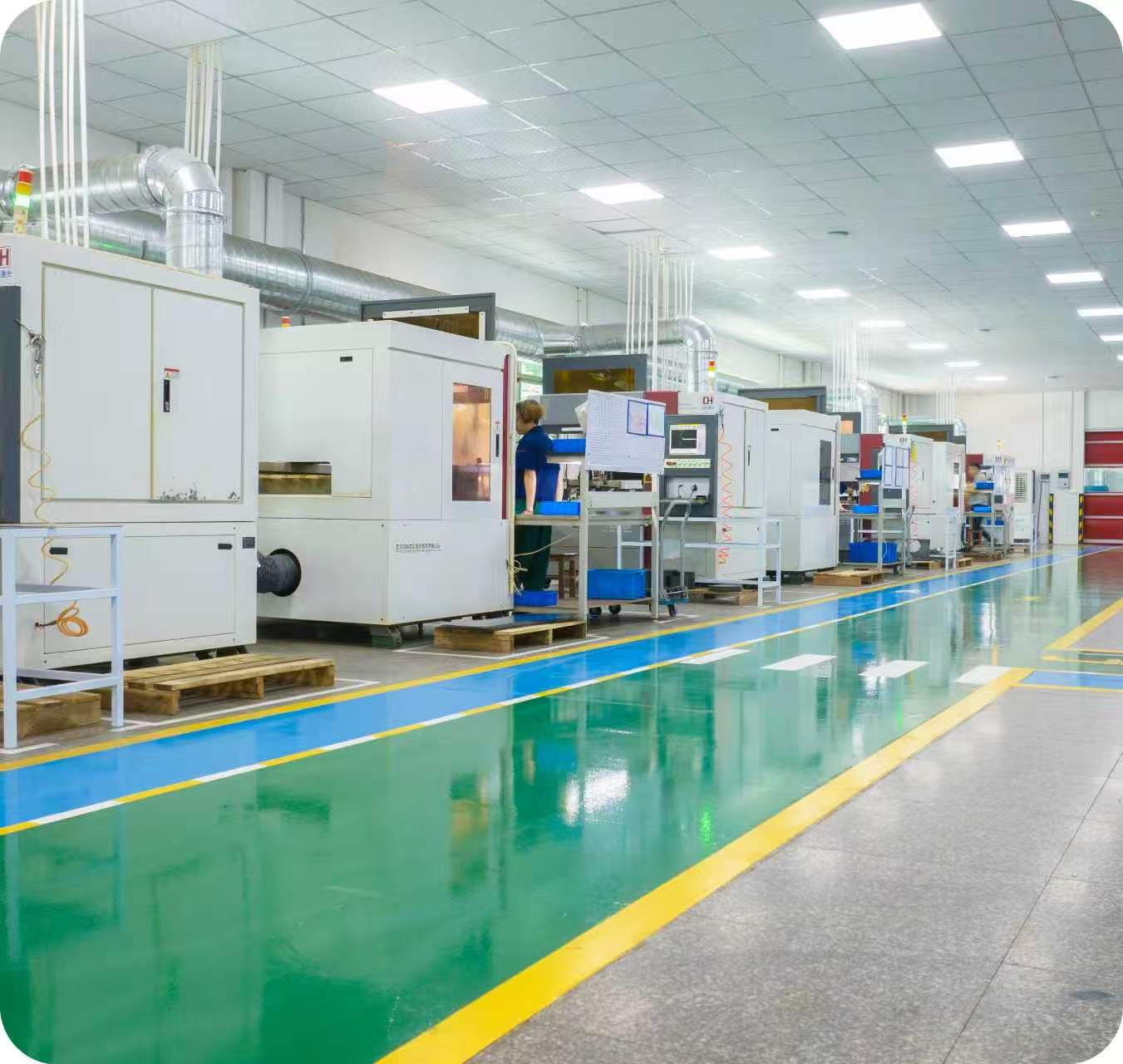
TTSlot geometry, tooth profile and lamination outline are formed by a stamping die. The die determines what the core can be: slot position accuracy, tooth width consistency and profile repeatability all start here, and they do not improve downstream.
We review your lamination drawing before quoting, confirm the die approach, and produce a first article for your approval before running the full batch.
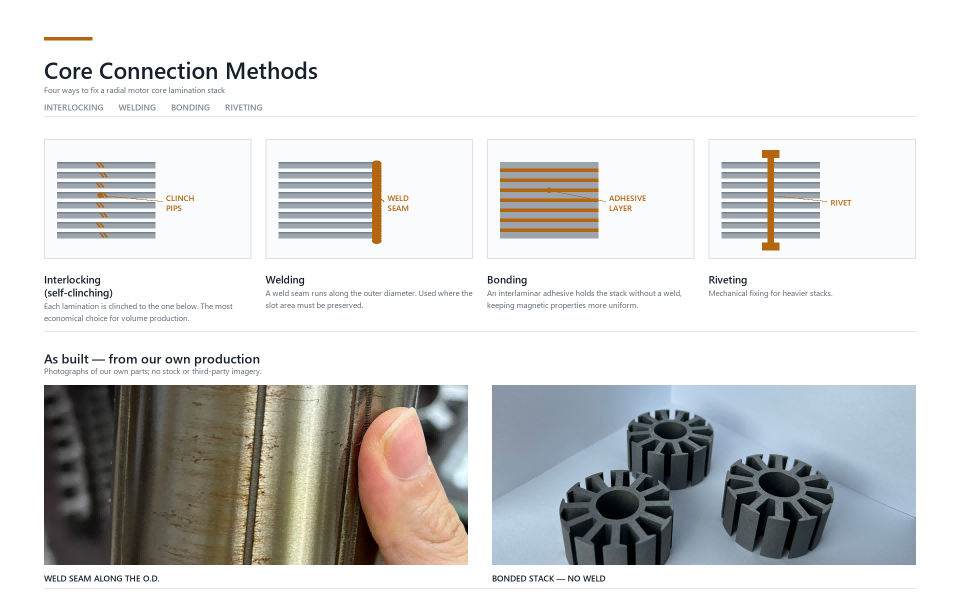
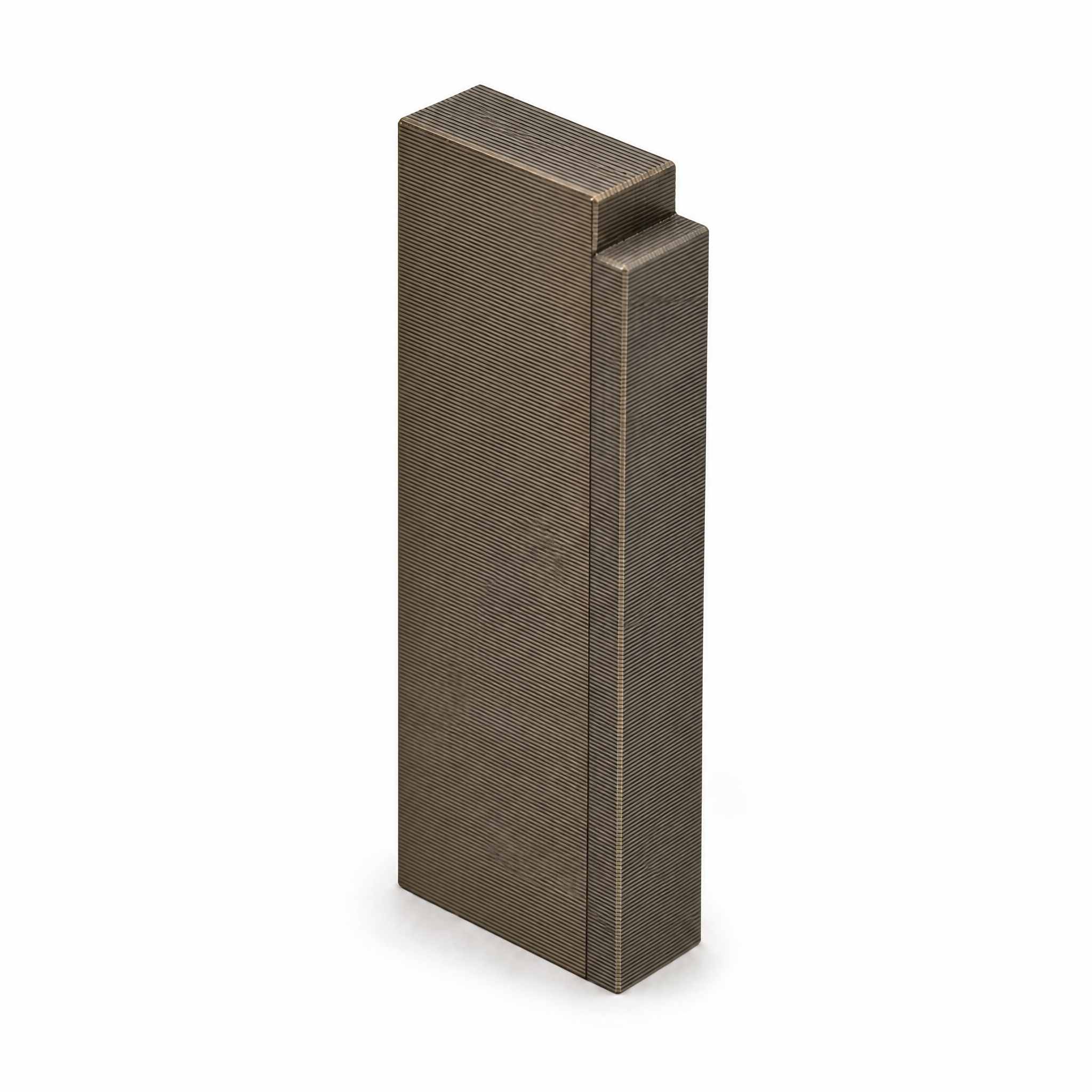
Laminated cores are held together in one of several ways, depending on your design and your own downstream assembly:
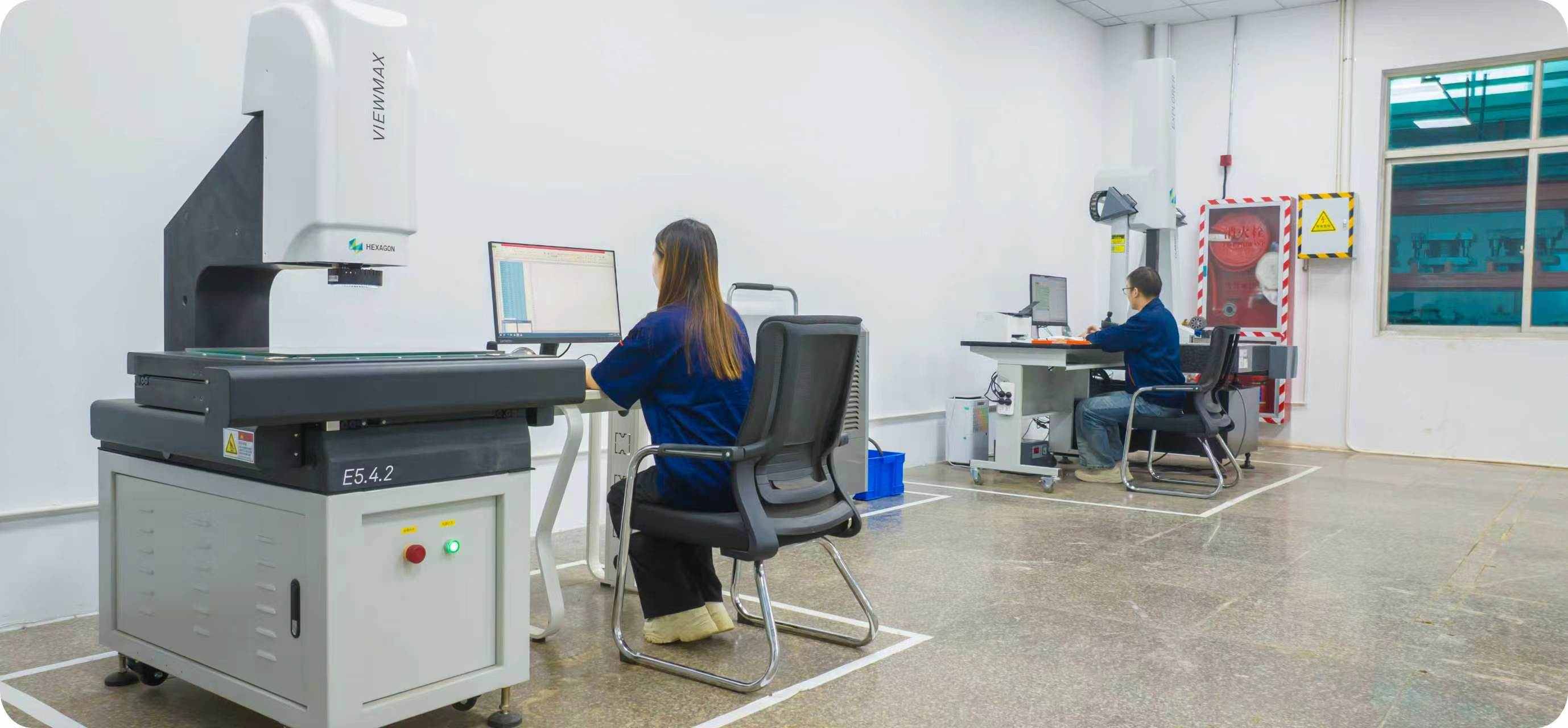
Dimensional checks are carried out during production according to the drawing and the order specification: slot profile, outer and inner diameter, stacking height, squareness and burr condition.
Common designs we are asked to produce:
Feasibility for your specific design is confirmed at the drawing review stage.
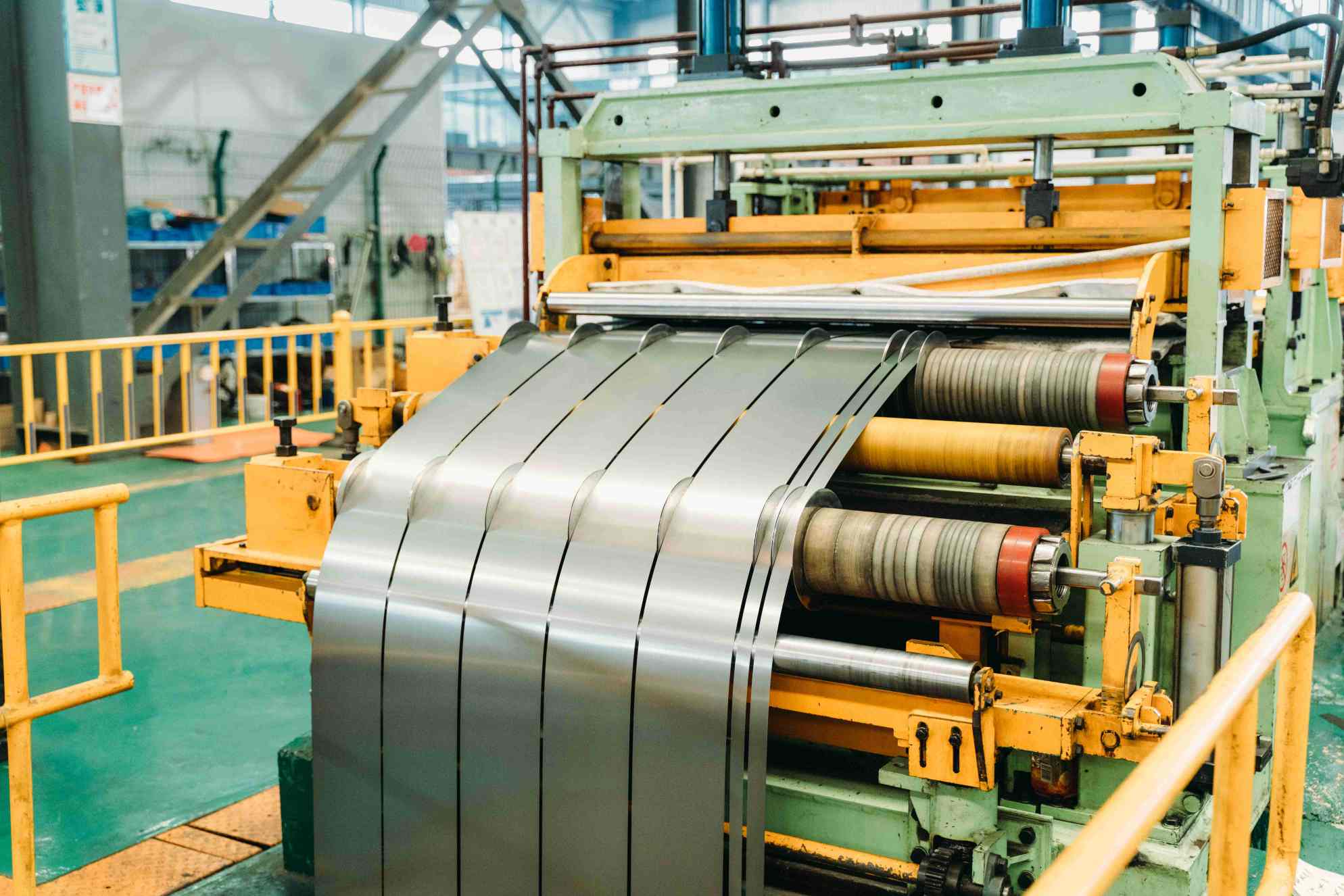
Radial motor cores are made from electrical steel:
Lamination thickness affects core loss: thinner laminations reduce eddy current loss at higher electrical frequency, and thicker laminations are more economical where the frequency is lower.
To quote a radial motor core we need:
If some of these are not settled yet, send what you have — we will confirm the remaining points before quoting.
The two motor families need different cores, and the difference starts with the manufacturing process.
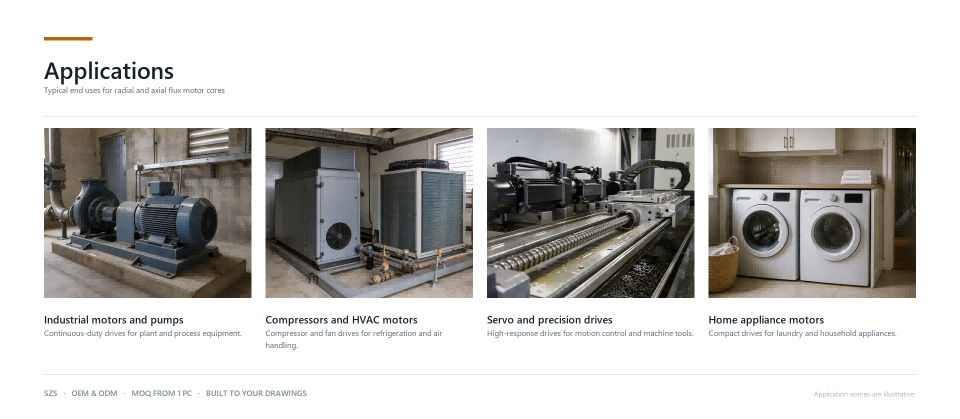
A radial flux motor is cylindrical: the flux crosses the air gap radially, the stator is a stack of stamped laminations, and the lamination plane is perpendicular to the shaft. This is the layout used in the majority of industrial motors, pumps, compressors, servo drives and current EV traction motors.
An axial flux motor is disc-shaped: the flux crosses the air gap parallel to the shaft, and the stator is built as a wound core. Our axial flux cores are wound from electrical steel strip with the slots formed by laser.
If you are not sure which one your design needs, send us the drawing and we will tell you which core type it is — and if it is an axial flux design, we will point you to our axial flux stator core.
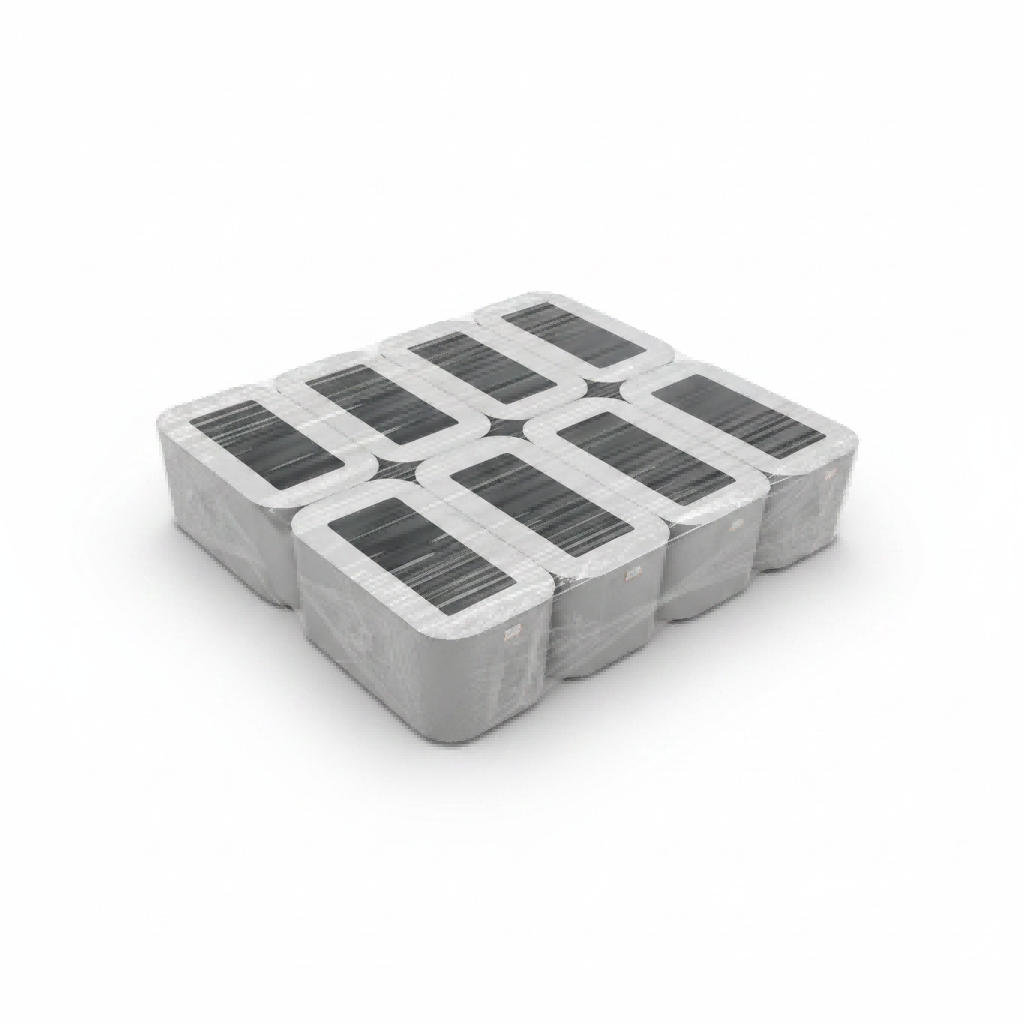
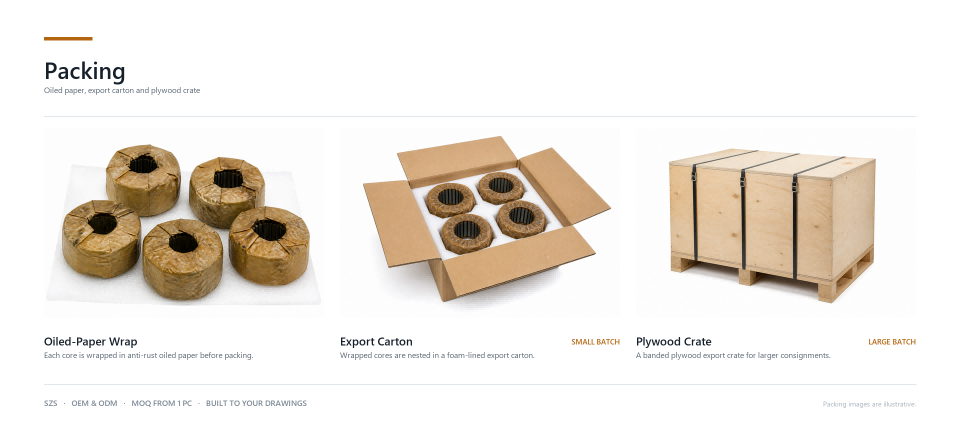
Cores are packed to protect against rust, moisture and deformation in transit. Rust-preventive wrapping and export packing are used as standard.
What is a radial motor core? A radial motor core is the magnetic core of a radial flux motor, built as a stack of stamped electrical steel laminations. It consists of a stator core, which carries the windings, and a rotor core, which turns inside it. The lamination plane is perpendicular to the shaft.
Are your radial cores laminated or wound? Radial motor cores are laminated — stamped from electrical steel and stacked. Wound construction is used for our axial flux cores, which are a different product line.
Can you manufacture radial motor cores to our drawing? Yes. Send a lamination drawing or 3D model and we will review it, confirm feasibility and quote the tooling and unit price.
What material thicknesses do you use for radial cores? 0.1–0.5mm is available.
What stacking methods can you supply? Interlocking, welding, bonding, riveting.
How do you control burr height? Burr is controlled at the die and checked during production against the agreed specification.
Can you supply loose laminations instead of stacked cores? Yes — we can supply stamped laminations unstacked for customers who stack on their own line.
What is your minimum order quantity? We support wire-cut samples, with a minimum order quantity (MOQ) of 10 pieces.
How long does tooling and production take? For bulk orders, the mold-making period is typically around 35 days, and the product delivery lead time is approximately 50 days.
Do you provide inspection reports or material certificates? Inspection is carried out according to the agreed drawing and specification. Please tell us in advance if you require third-party inspection.
Radial Motor Core Shunge Steel manufactures custom radial motor cores in Foshan, Guangdong, China — stator and rotor cores built from stamped electrical steel laminations and stacked to the dimensions your motor design calls for. The radial flux motor is the cylindrical machine used in the great majority of electric motors. Its stator core is a ring of slotted laminations stacked along the shaft axis, and its rotor core is the matching stack that turns inside it. A radial motor core is therefore a stamped lamination stack: the stamping die, the stacking method and the burr control are what decide whether the finished core performs. Every core is produced to the customer's drawing. You send us the lamination profile, slot geometry, outer and inner diameter, stacking height, material grade, stacking method and tolerance requirements. We review the design, quote the tooling and produce the cores.
Radial Motor Core Shunge Steel manufactures custom radial motor cores in Foshan, Guangdong, China — stator and rotor cores built from stamped electrical steel laminations and stacked to the dimensions your motor design calls for. The radial flux motor is the cylindrical machine used in the great majority of electric motors. Its stator core is a ring of slotted laminations stacked along the shaft axis, and its rotor core is the matching stack that turns inside it. A radial motor core is therefore a stamped lamination stack: the stamping die, the stacking method and the burr control are what decide whether the finished core performs. Every core is produced to the customer's drawing. You send us the lamination profile, slot geometry, outer and inner diameter, stacking height, material grade, stacking method and tolerance requirements. We review the design, quote the tooling and produce the cores.
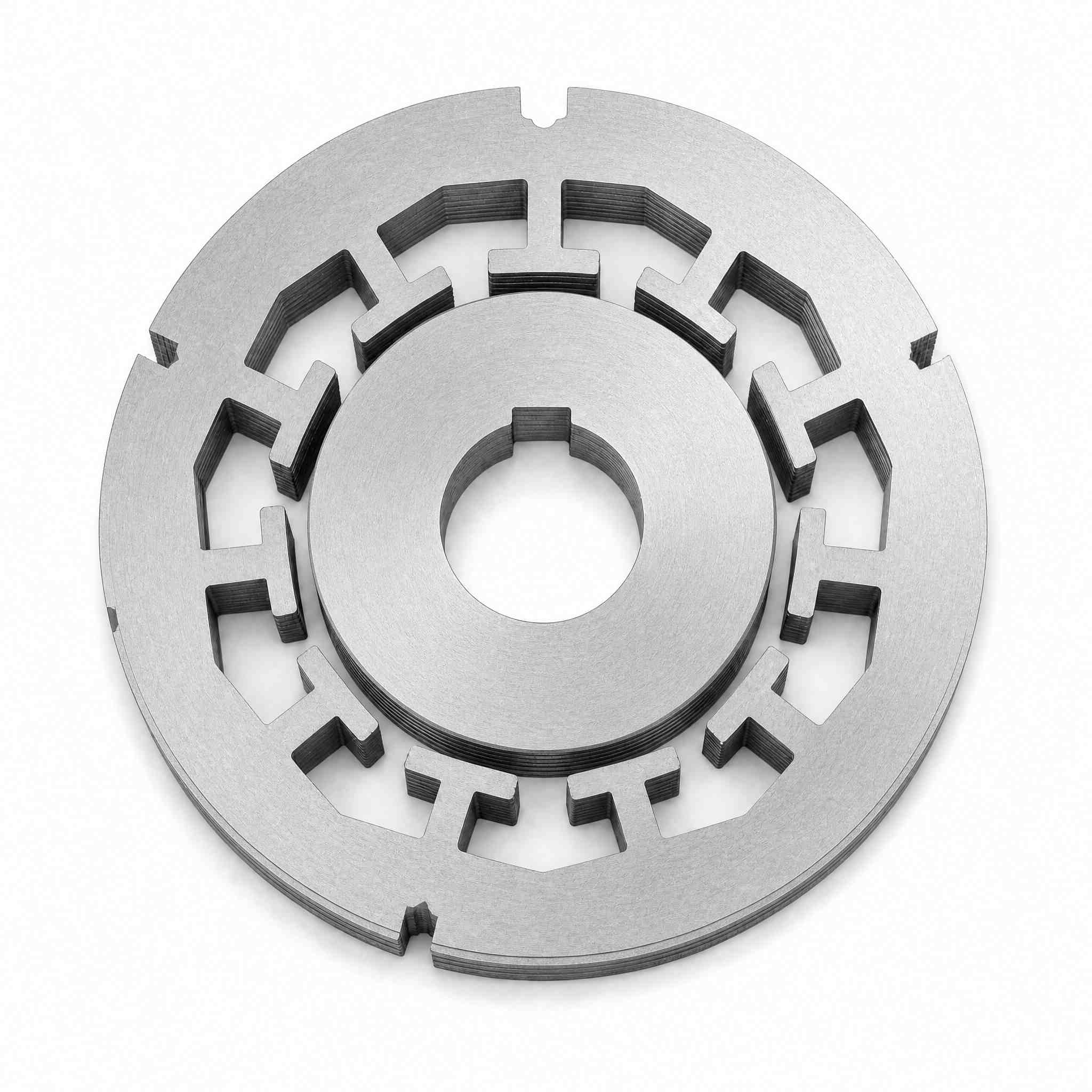
Radial Motor Core Shunge Steel manufactures custom radial motor cores in Foshan, Guangdong, China — stator and rotor cores built from stamped electrical steel laminations and stacked to the dimensions your motor design calls for. The radial flux motor is the cylindrical machine used in the great majority of electric motors. Its stator core is a ring of slotted laminations stacked along the shaft axis, and its rotor core is the matching stack that turns inside it. A radial motor core is therefore a stamped lamination stack: the stamping die, the stacking method and the burr control are what decide whether the finished core performs. Every core is produced to the customer's drawing. You send us the lamination profile, slot geometry, outer and inner diameter, stacking height, material grade, stacking method and tolerance requirements. We review the design, quote the tooling and produce the cores.
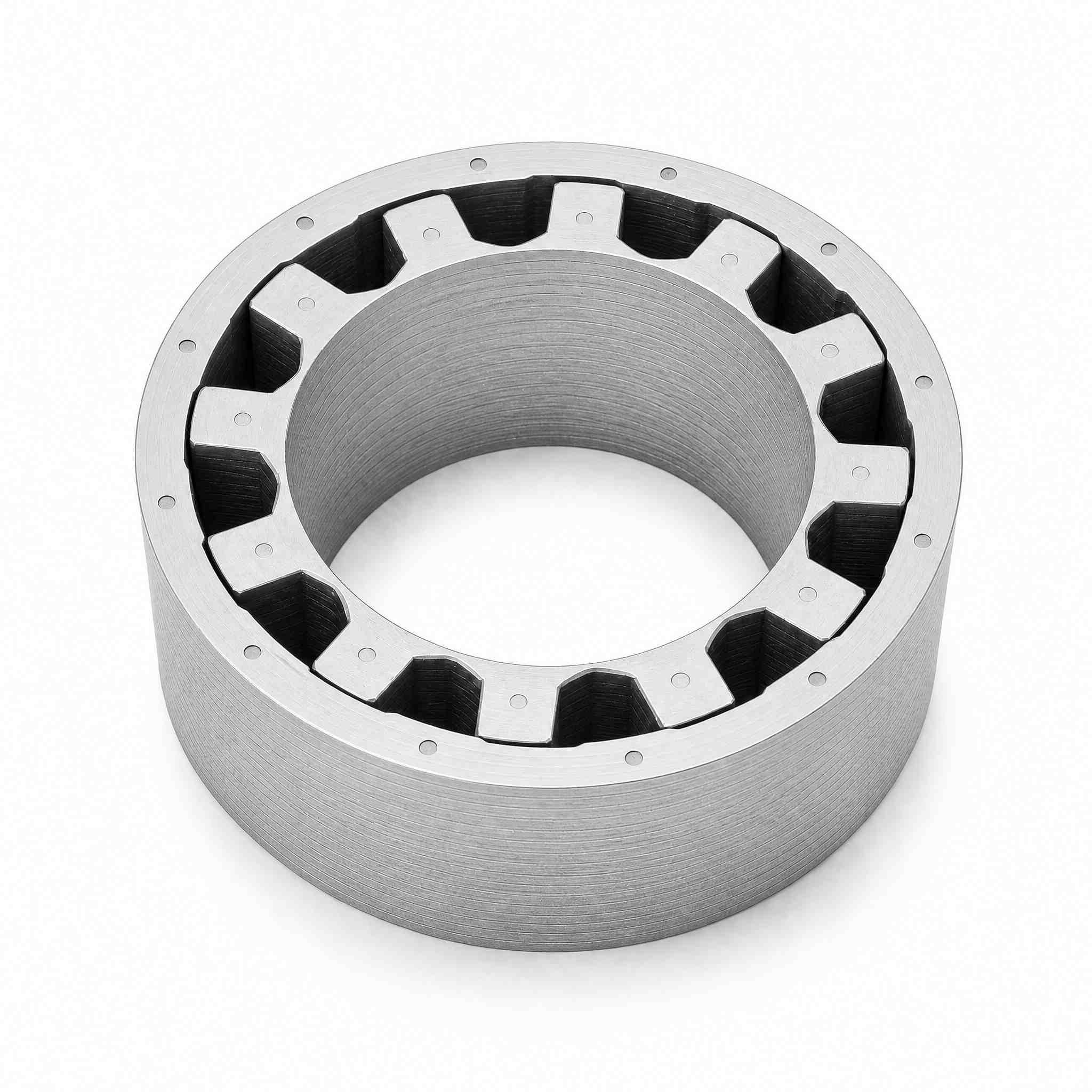
Radial Motor Core Shunge Steel manufactures custom radial motor cores in Foshan, Guangdong, China — stator and rotor cores built from stamped electrical steel laminations and stacked to the dimensions your motor design calls for. The radial flux motor is the cylindrical machine used in the great majority of electric motors. Its stator core is a ring of slotted laminations stacked along the shaft axis, and its rotor core is the matching stack that turns inside it. A radial motor core is therefore a stamped lamination stack: the stamping die, the stacking method and the burr control are what decide whether the finished core performs. Every core is produced to the customer's drawing. You send us the lamination profile, slot geometry, outer and inner diameter, stacking height, material grade, stacking method and tolerance requirements. We review the design, quote the tooling and produce the cores.
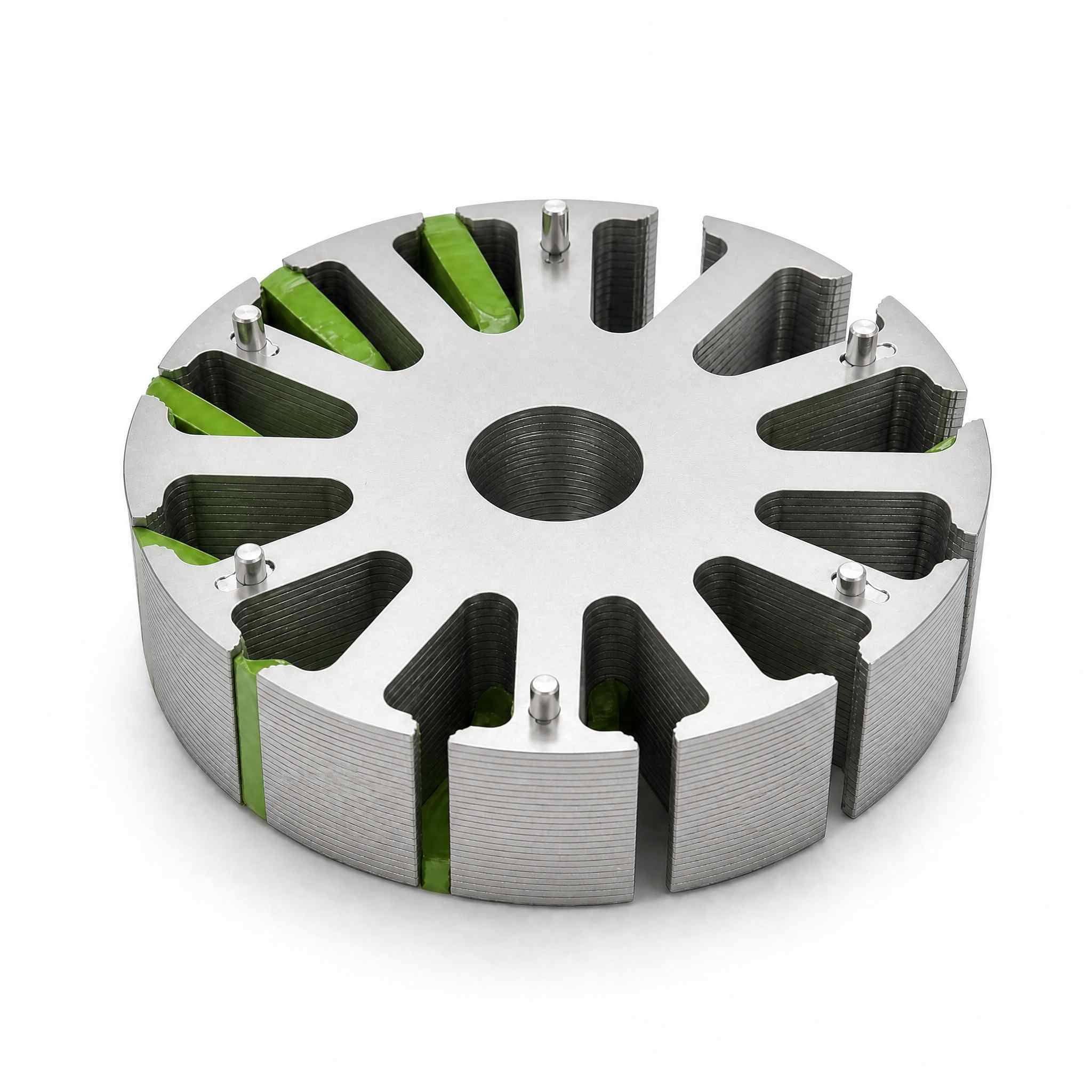
Radial Motor Core Shunge Steel manufactures custom radial motor cores in Foshan, Guangdong, China — stator and rotor cores built from stamped electrical steel laminations and stacked to the dimensions your motor design calls for. The radial flux motor is the cylindrical machine used in the great majority of electric motors. Its stator core is a ring of slotted laminations stacked along the shaft axis, and its rotor core is the matching stack that turns inside it. A radial motor core is therefore a stamped lamination stack: the stamping die, the stacking method and the burr control are what decide whether the finished core performs. Every core is produced to the customer's drawing. You send us the lamination profile, slot geometry, outer and inner diameter, stacking height, material grade, stacking method and tolerance requirements. We review the design, quote the tooling and produce the cores.
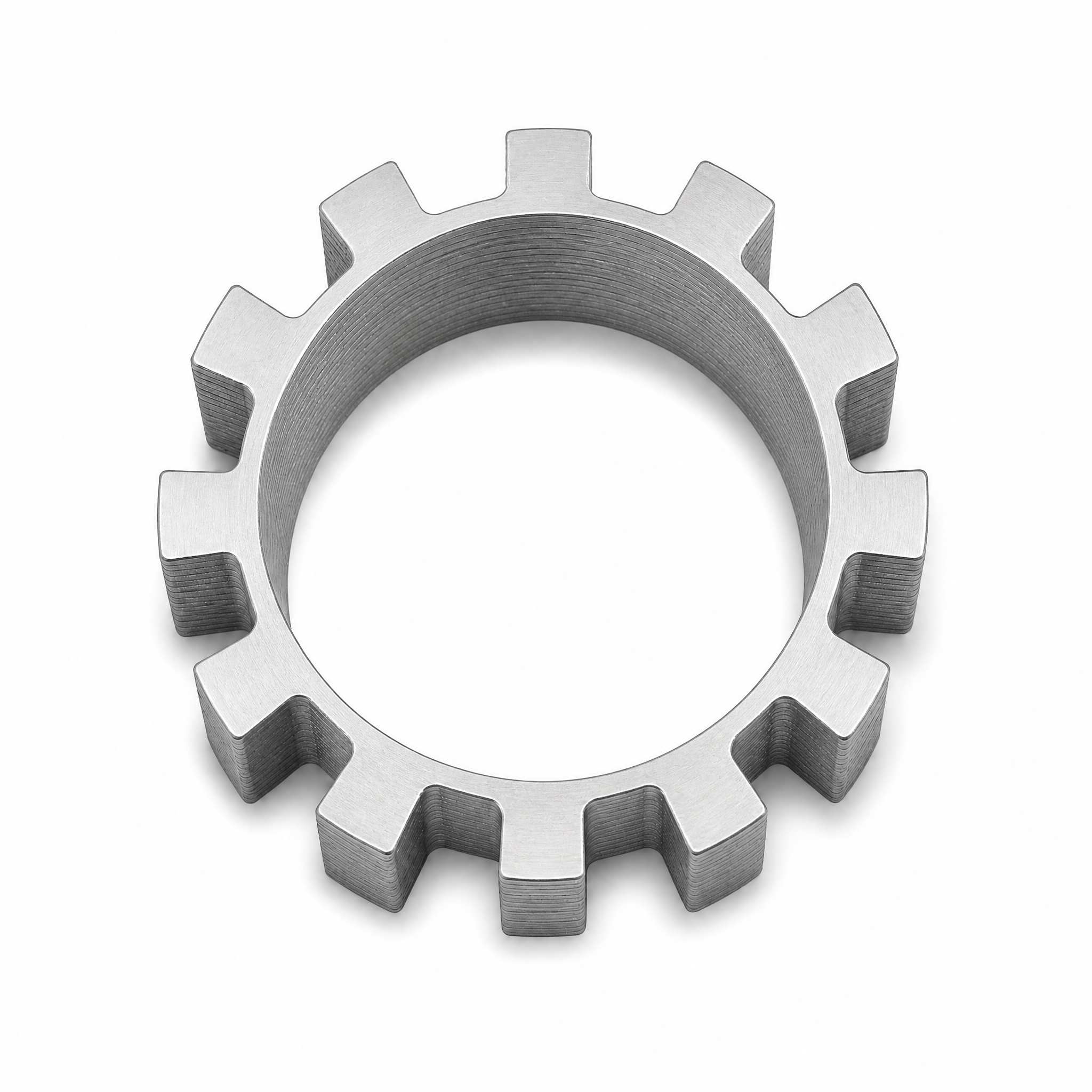
Radial Motor Core Shunge Steel manufactures custom radial motor cores in Foshan, Guangdong, China — stator and rotor cores built from stamped electrical steel laminations and stacked to the dimensions your motor design calls for. The radial flux motor is the cylindrical machine used in the great majority of electric motors. Its stator core is a ring of slotted laminations stacked along the shaft axis, and its rotor core is the matching stack that turns inside it. A radial motor core is therefore a stamped lamination stack: the stamping die, the stacking method and the burr control are what decide whether the finished core performs. Every core is produced to the customer's drawing. You send us the lamination profile, slot geometry, outer and inner diameter, stacking height, material grade, stacking method and tolerance requirements. We review the design, quote the tooling and produce the cores.
Radial Motor Core Shunge Steel manufactures custom radial motor cores in Foshan, Guangdong, China — stator and rotor cores built from stamped electrical steel laminations and stacked to the dimensions your motor design calls for. The radial flux motor is the cylindrical machine used in the great majority of electric motors. Its stator core is a ring of slotted laminations stacked along the shaft axis, and its rotor core is the matching stack that turns inside it. A radial motor core is therefore a stamped lamination stack: the stamping die, the stacking method and the burr control are what decide whether the finished core performs. Every core is produced to the customer's drawing. You send us the lamination profile, slot geometry, outer and inner diameter, stacking height, material grade, stacking method and tolerance requirements. We review the design, quote the tooling and produce the cores.

Radial Motor Core Shunge Steel manufactures custom radial motor cores in Foshan, Guangdong, China — stator and rotor cores built from stamped electrical steel laminations and stacked to the dimensions your motor design calls for. The radial flux motor is the cylindrical machine used in the great majority of electric motors. Its stator core is a ring of slotted laminations stacked along the shaft axis, and its rotor core is the matching stack that turns inside it. A radial motor core is therefore a stamped lamination stack: the stamping die, the stacking method and the burr control are what decide whether the finished core performs. Every core is produced to the customer's drawing. You send us the lamination profile, slot geometry, outer and inner diameter, stacking height, material grade, stacking method and tolerance requirements. We review the design, quote the tooling and produce the cores.
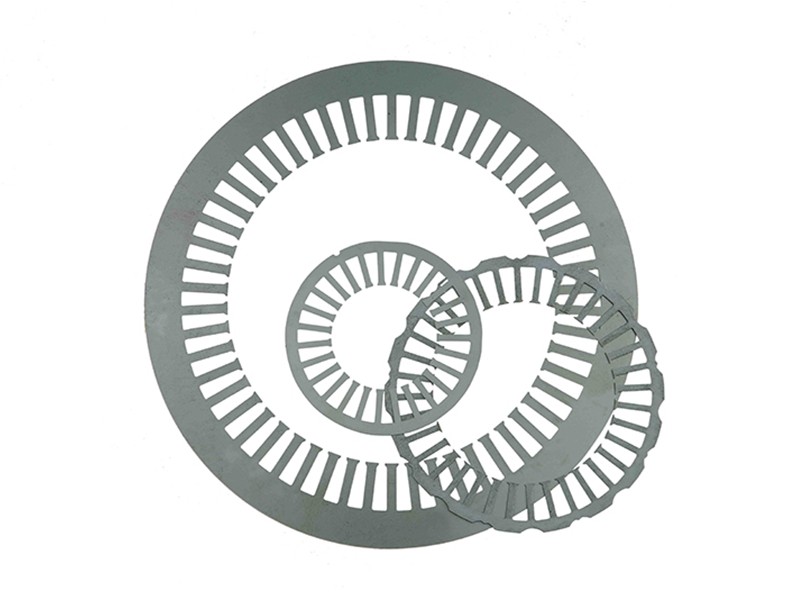
Radial Motor Core Shunge Steel manufactures custom radial motor cores in Foshan, Guangdong, China — stator and rotor cores built from stamped electrical steel laminations and stacked to the dimensions your motor design calls for. The radial flux motor is the cylindrical machine used in the great majority of electric motors. Its stator core is a ring of slotted laminations stacked along the shaft axis, and its rotor core is the matching stack that turns inside it. A radial motor core is therefore a stamped lamination stack: the stamping die, the stacking method and the burr control are what decide whether the finished core performs. Every core is produced to the customer's drawing. You send us the lamination profile, slot geometry, outer and inner diameter, stacking height, material grade, stacking method and tolerance requirements. We review the design, quote the tooling and produce the cores.
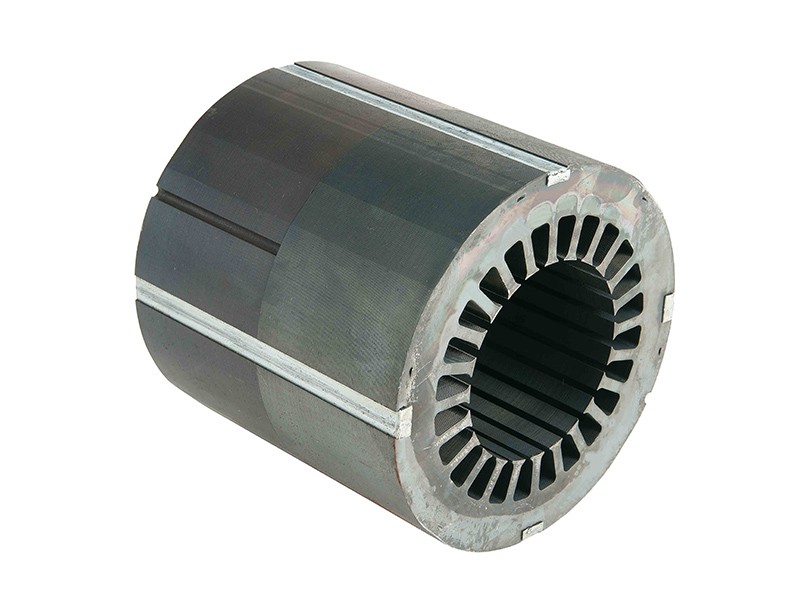
Radial Motor Core Shunge Steel manufactures custom radial motor cores in Foshan, Guangdong, China — stator and rotor cores built from stamped electrical steel laminations and stacked to the dimensions your motor design calls for. The radial flux motor is the cylindrical machine used in the great majority of electric motors. Its stator core is a ring of slotted laminations stacked along the shaft axis, and its rotor core is the matching stack that turns inside it. A radial motor core is therefore a stamped lamination stack: the stamping die, the stacking method and the burr control are what decide whether the finished core performs. Every core is produced to the customer's drawing. You send us the lamination profile, slot geometry, outer and inner diameter, stacking height, material grade, stacking method and tolerance requirements. We review the design, quote the tooling and produce the cores.
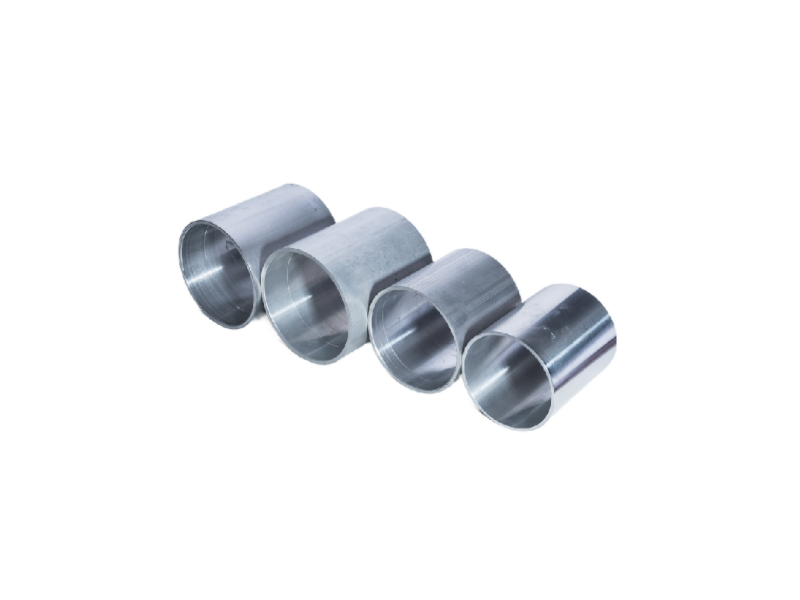
Radial Motor Core Shunge Steel manufactures custom radial motor cores in Foshan, Guangdong, China — stator and rotor cores built from stamped electrical steel laminations and stacked to the dimensions your motor design calls for. The radial flux motor is the cylindrical machine used in the great majority of electric motors. Its stator core is a ring of slotted laminations stacked along the shaft axis, and its rotor core is the matching stack that turns inside it. A radial motor core is therefore a stamped lamination stack: the stamping die, the stacking method and the burr control are what decide whether the finished core performs. Every core is produced to the customer's drawing. You send us the lamination profile, slot geometry, outer and inner diameter, stacking height, material grade, stacking method and tolerance requirements. We review the design, quote the tooling and produce the cores.

Adresse : Room 201, West Building A, Dawei Logistics, Xihai Industrial Zone, Lecong Town, Shunde District, Foshan City
Vous pouvez vous désabonner à tout moment. Pour cela, veuillez trouver nos coordonnées dans les mentions légales.


 IPv6 RÉSEAU PRIS EN CHARGE
We will contact you as soon as possible
Hi! Click one of our members below to chat on
 en
en fr
fr es
es