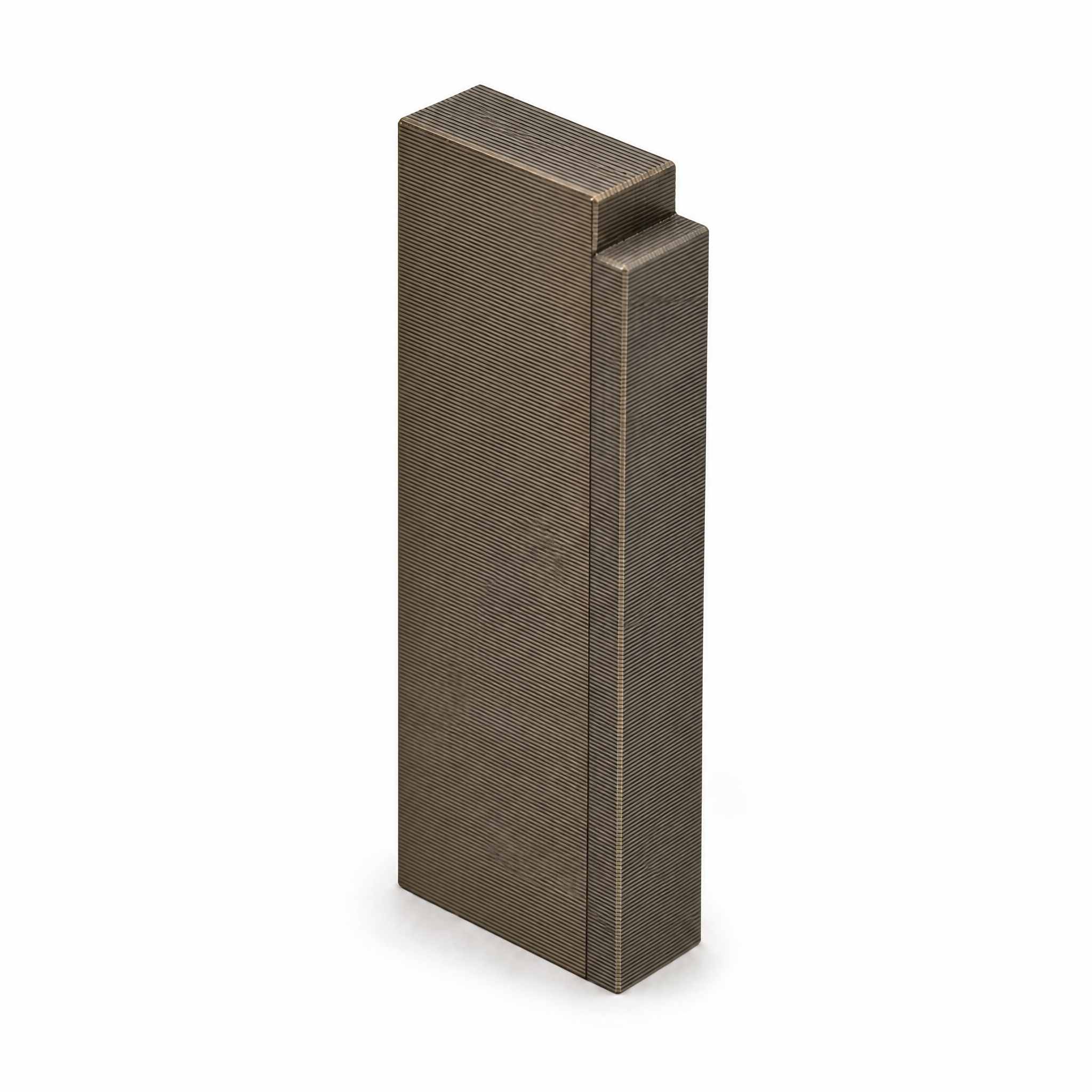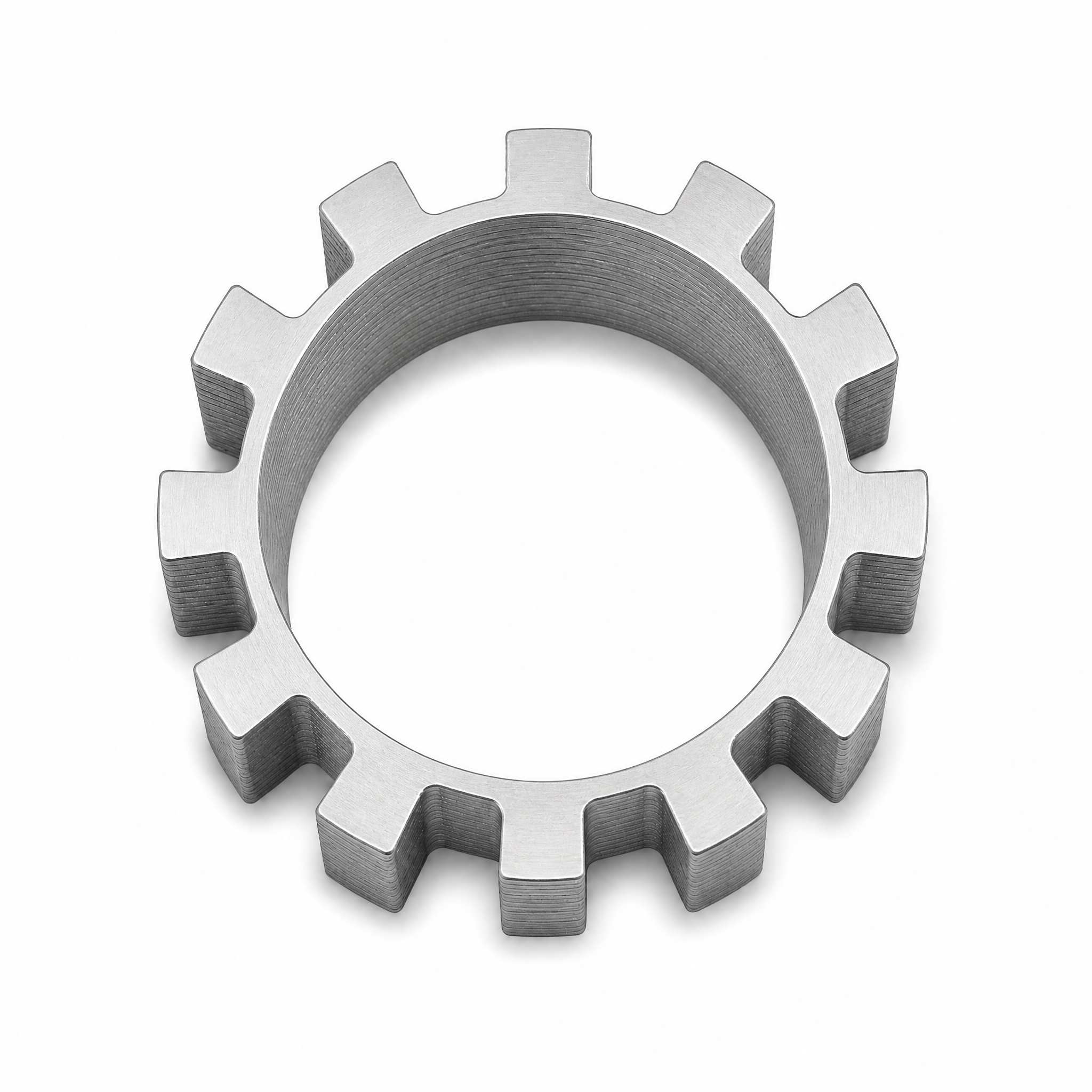
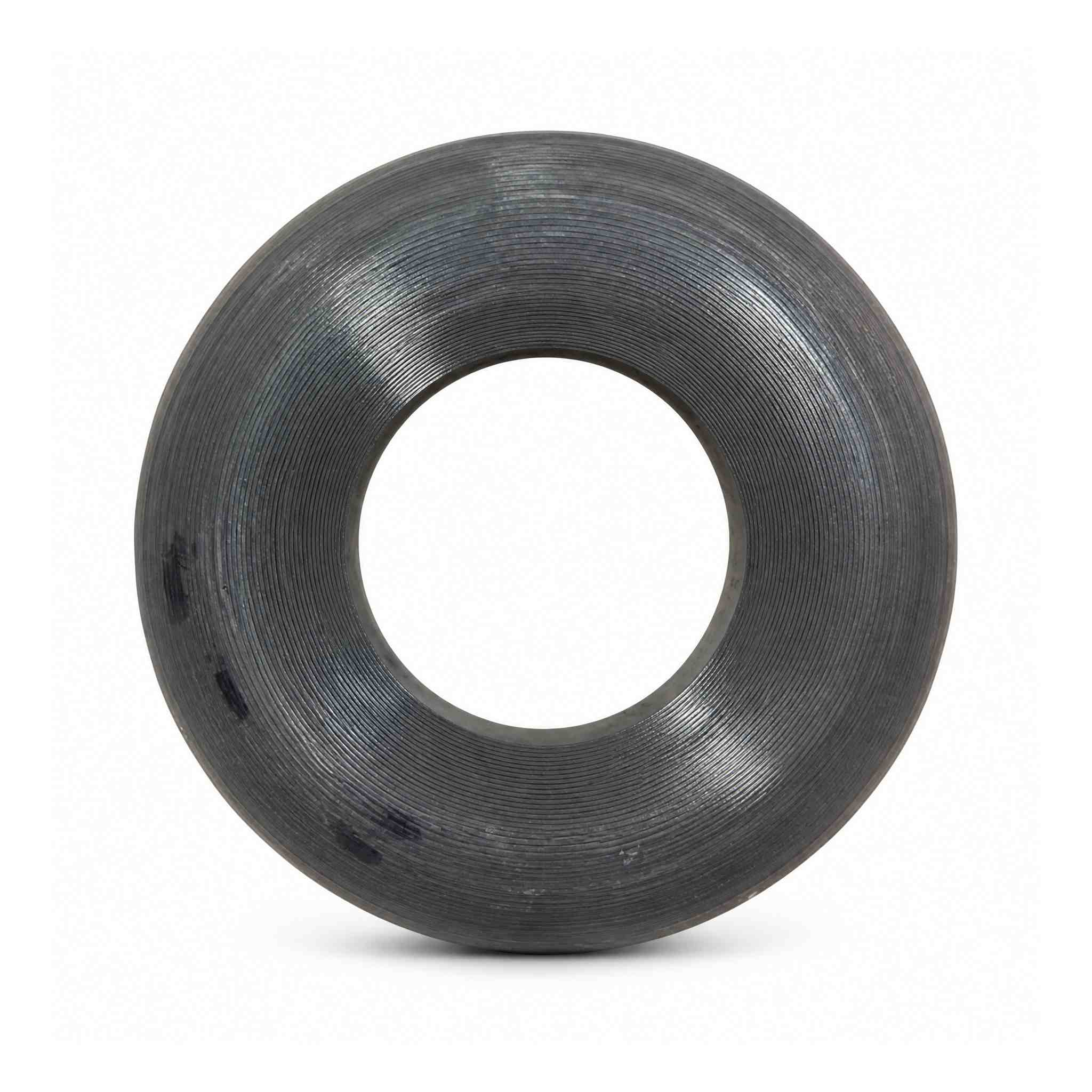
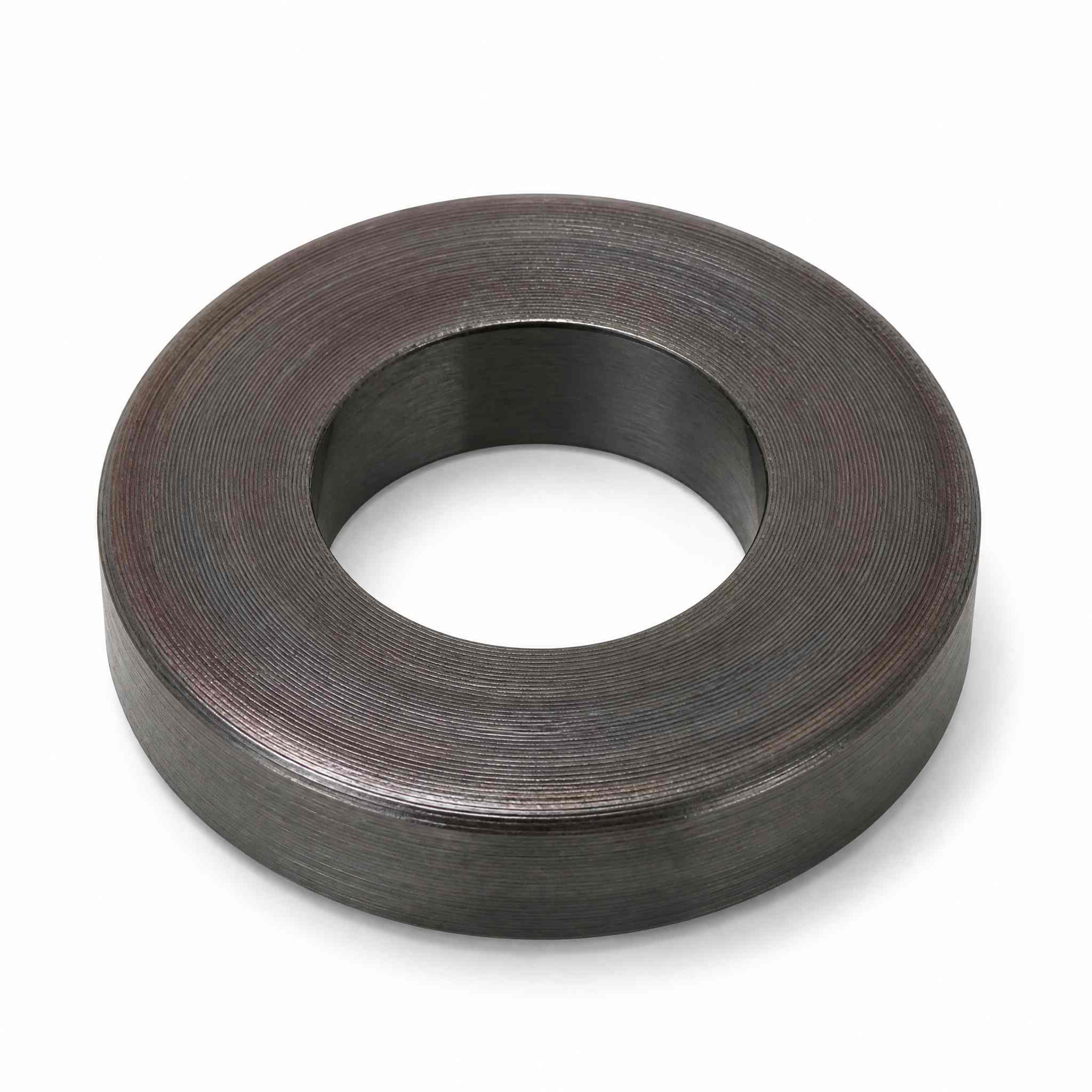
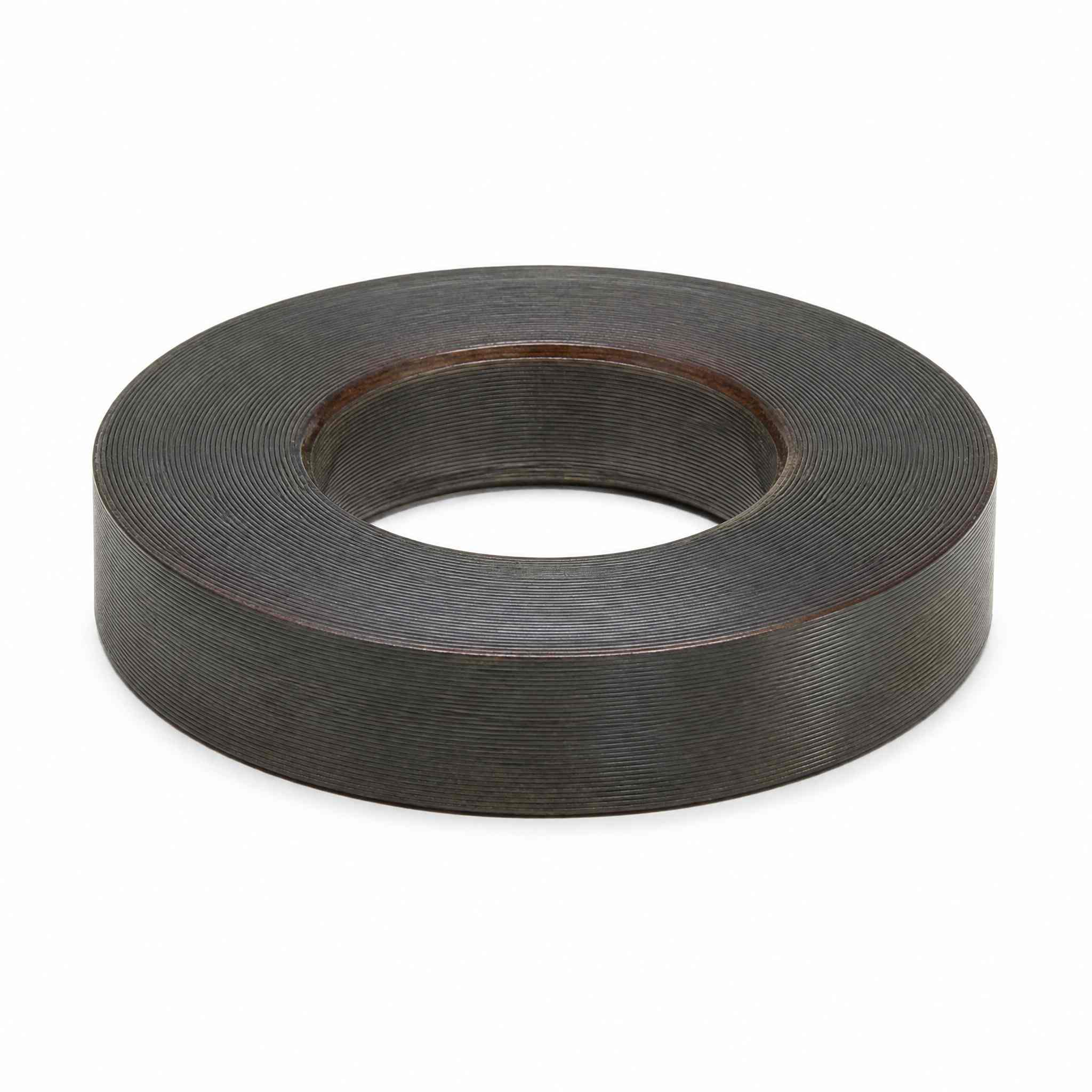
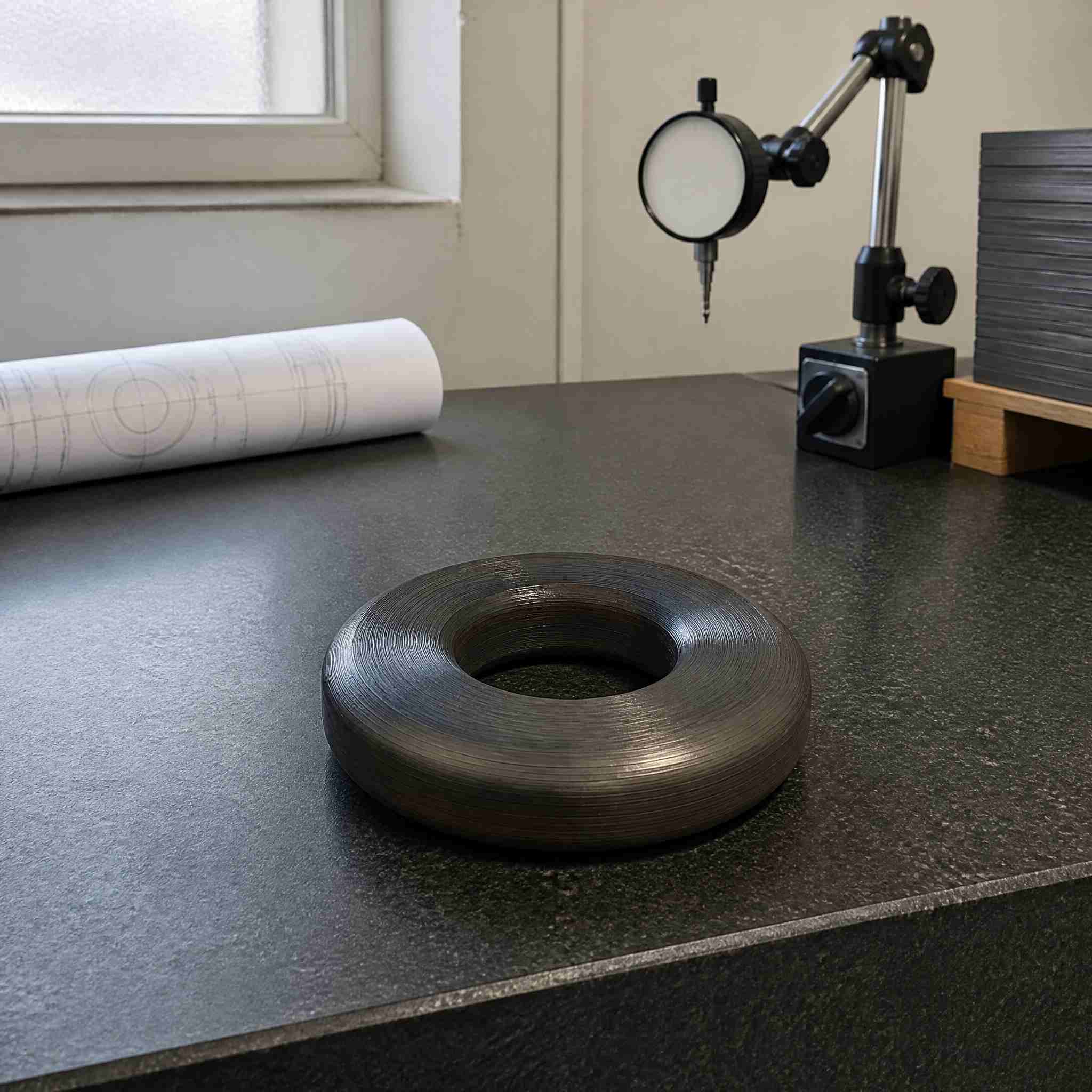
Shunge Steel manufactures custom toroidal transformer cores in Foshan, Guangdong, China — wound ring cores in grain-oriented electrical steel, produced to the dimensions and the treatment requirements your design calls for.
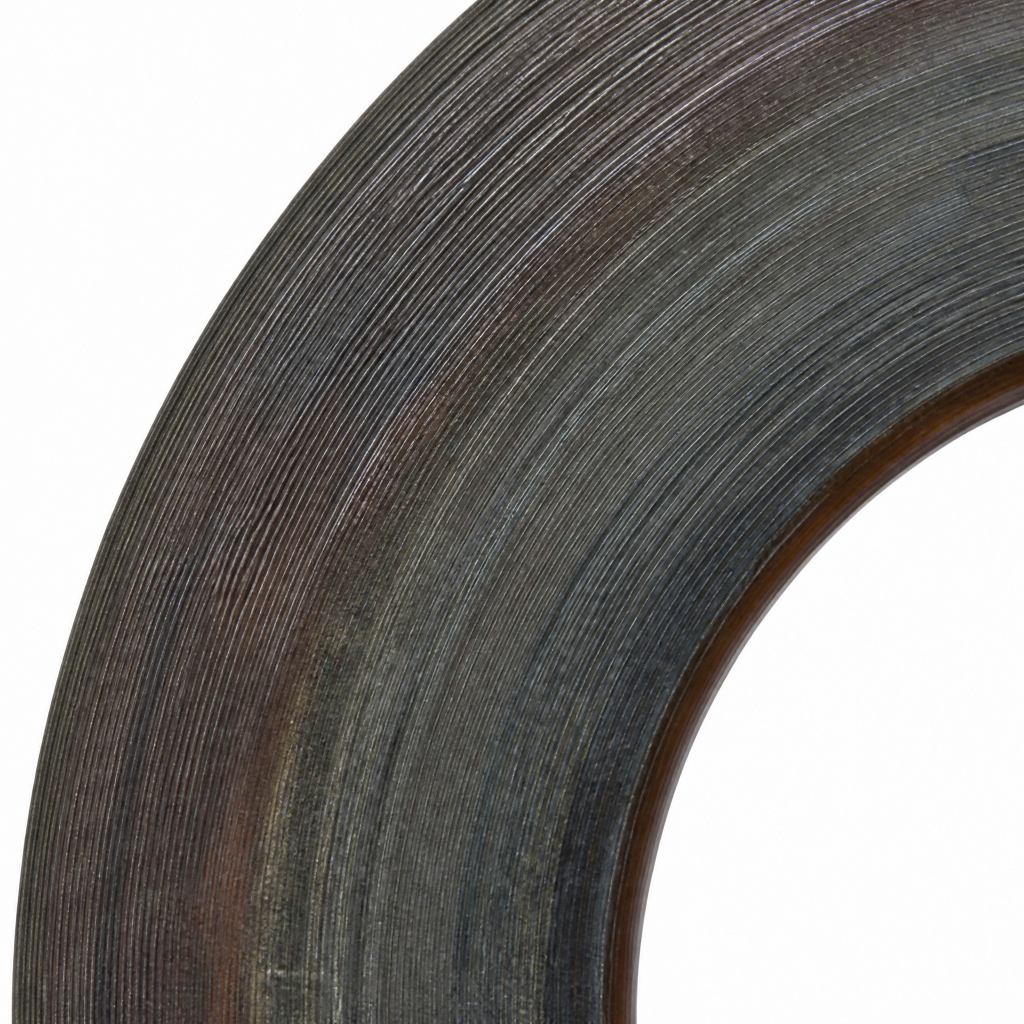
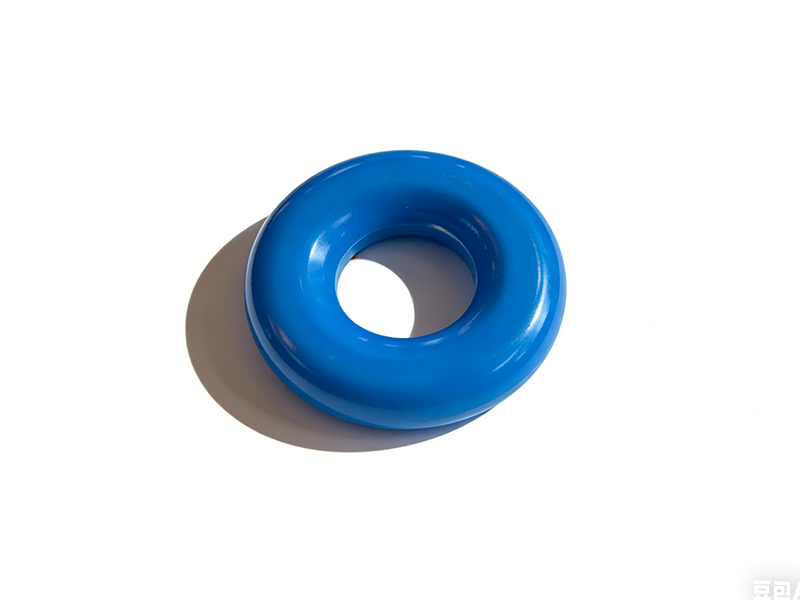
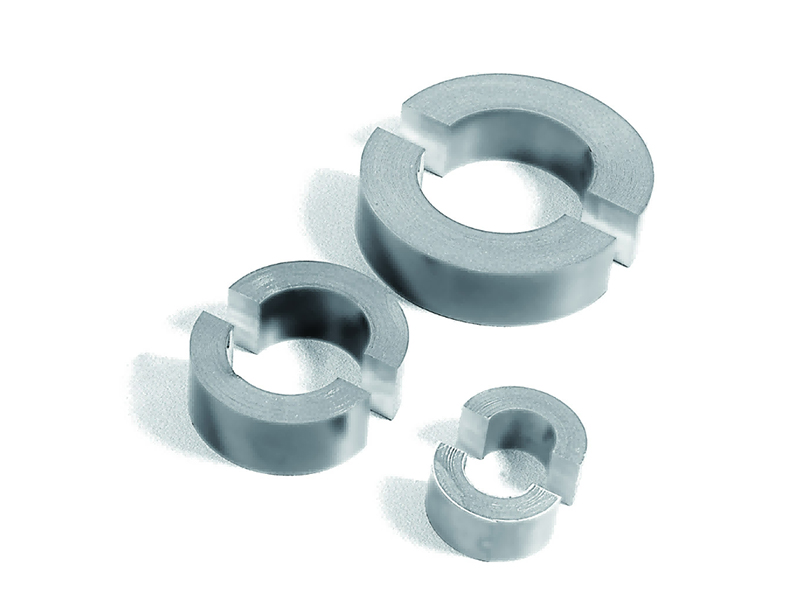
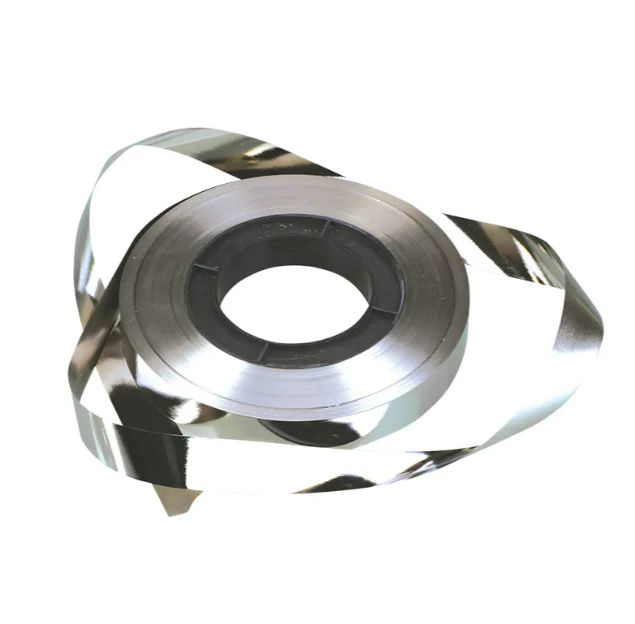
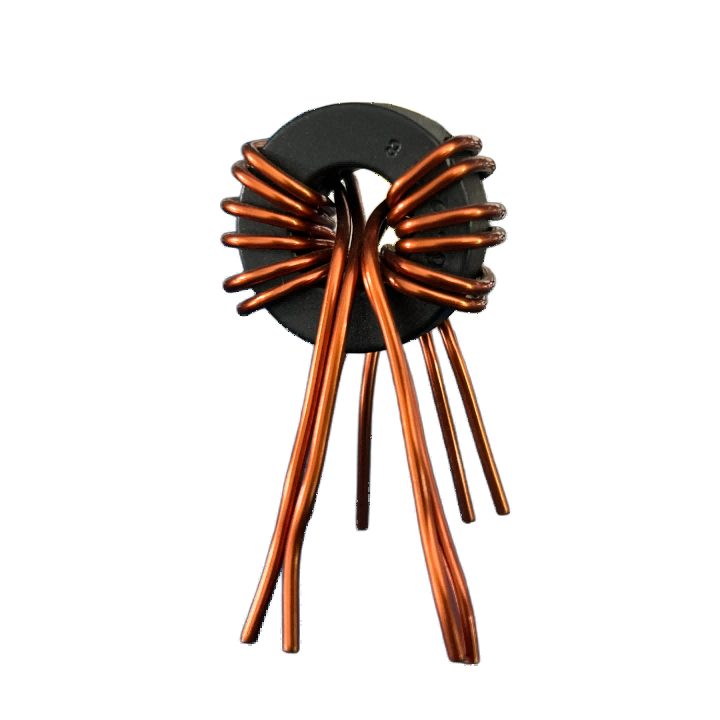
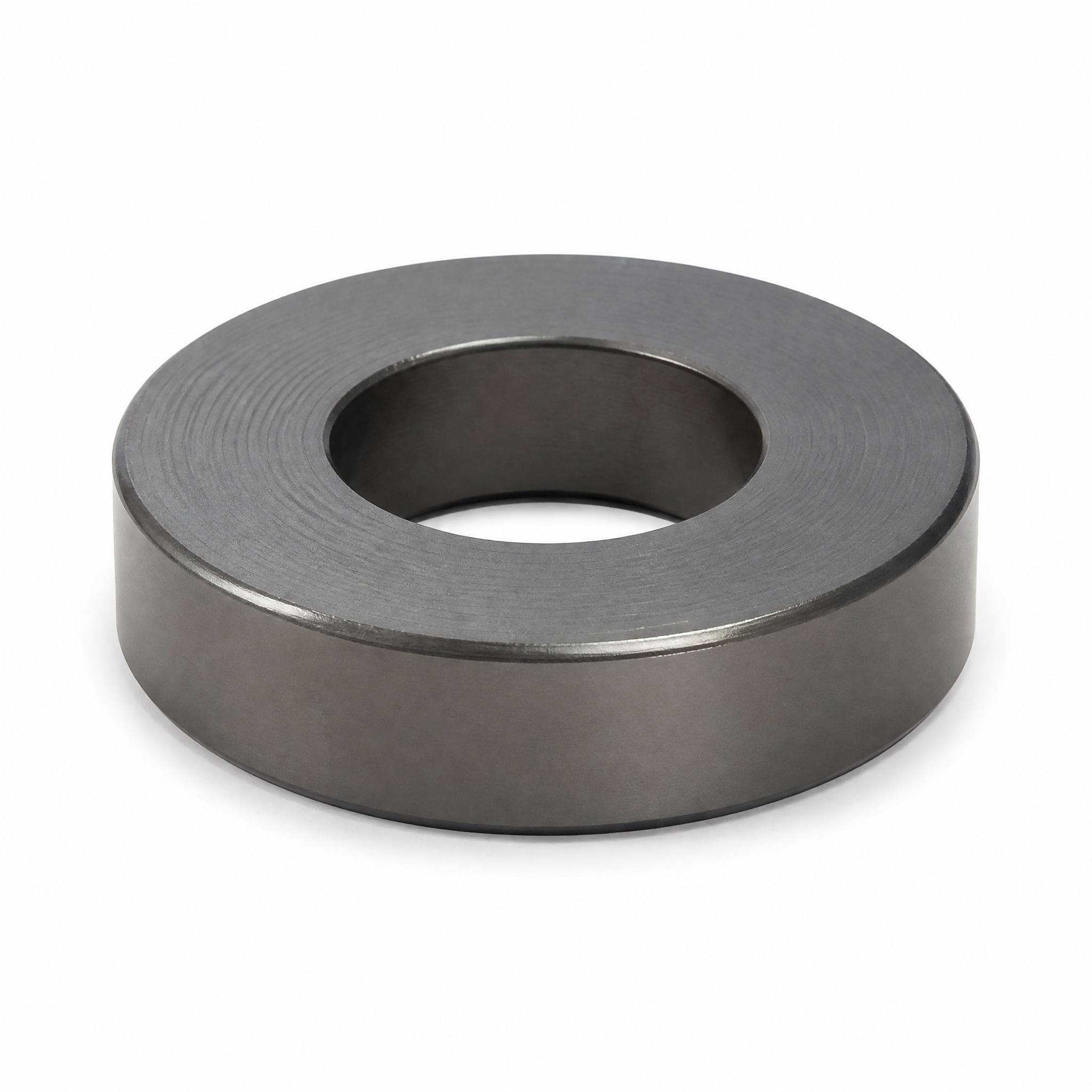
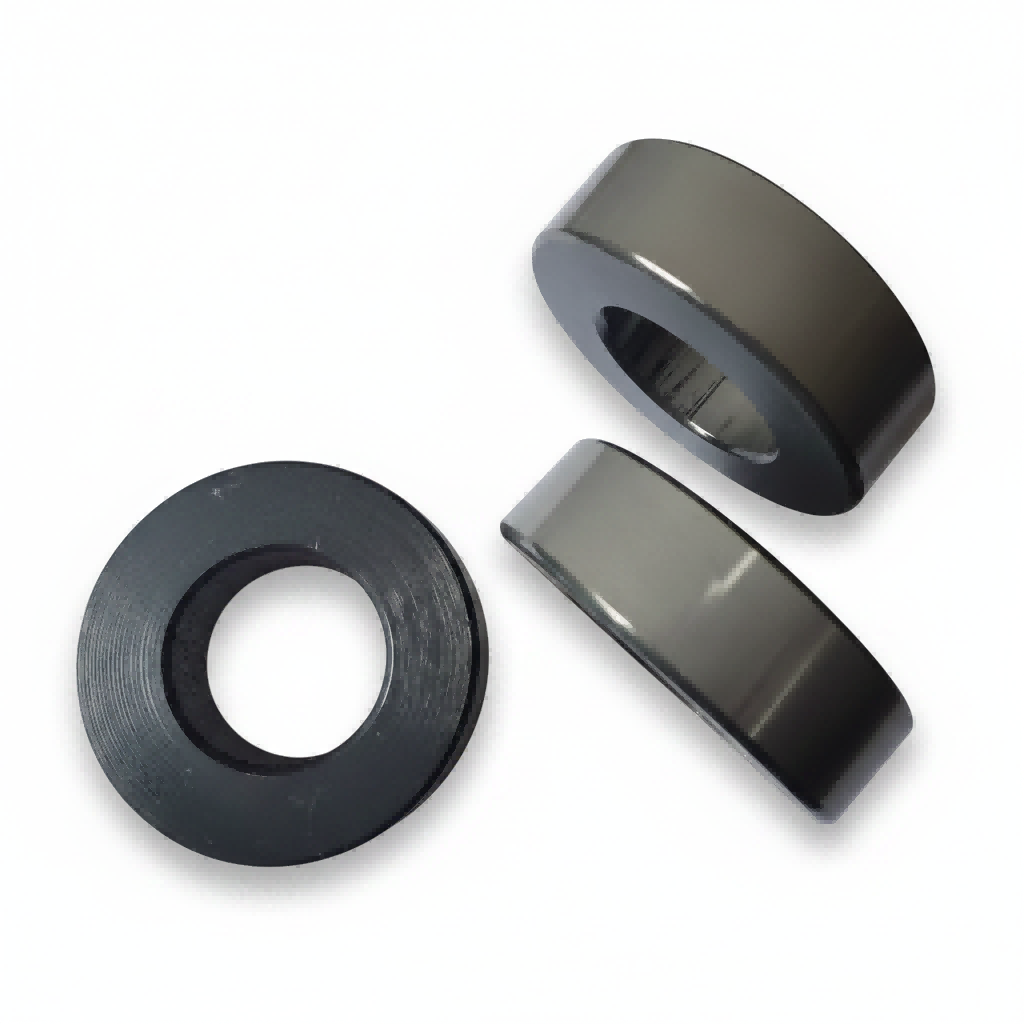
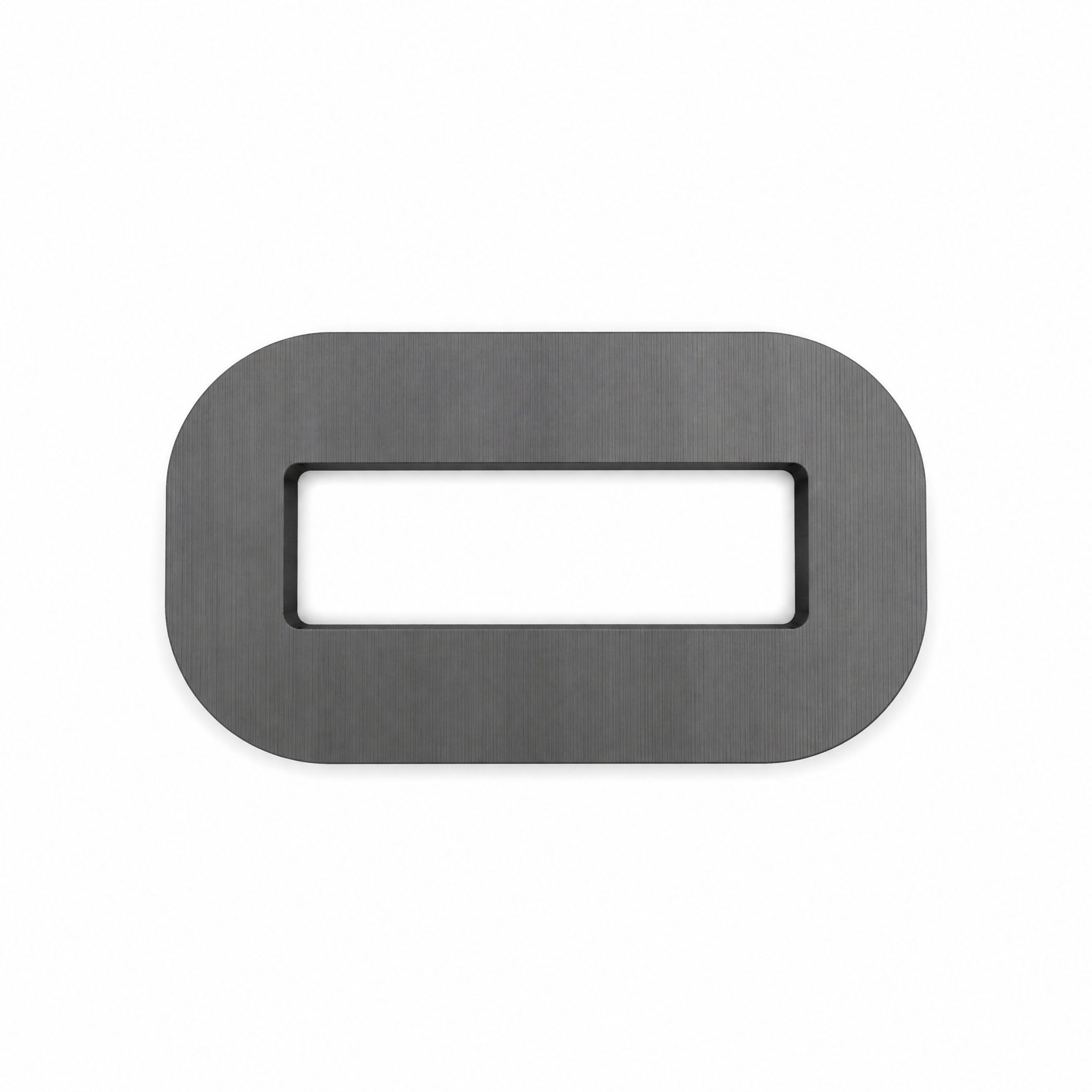
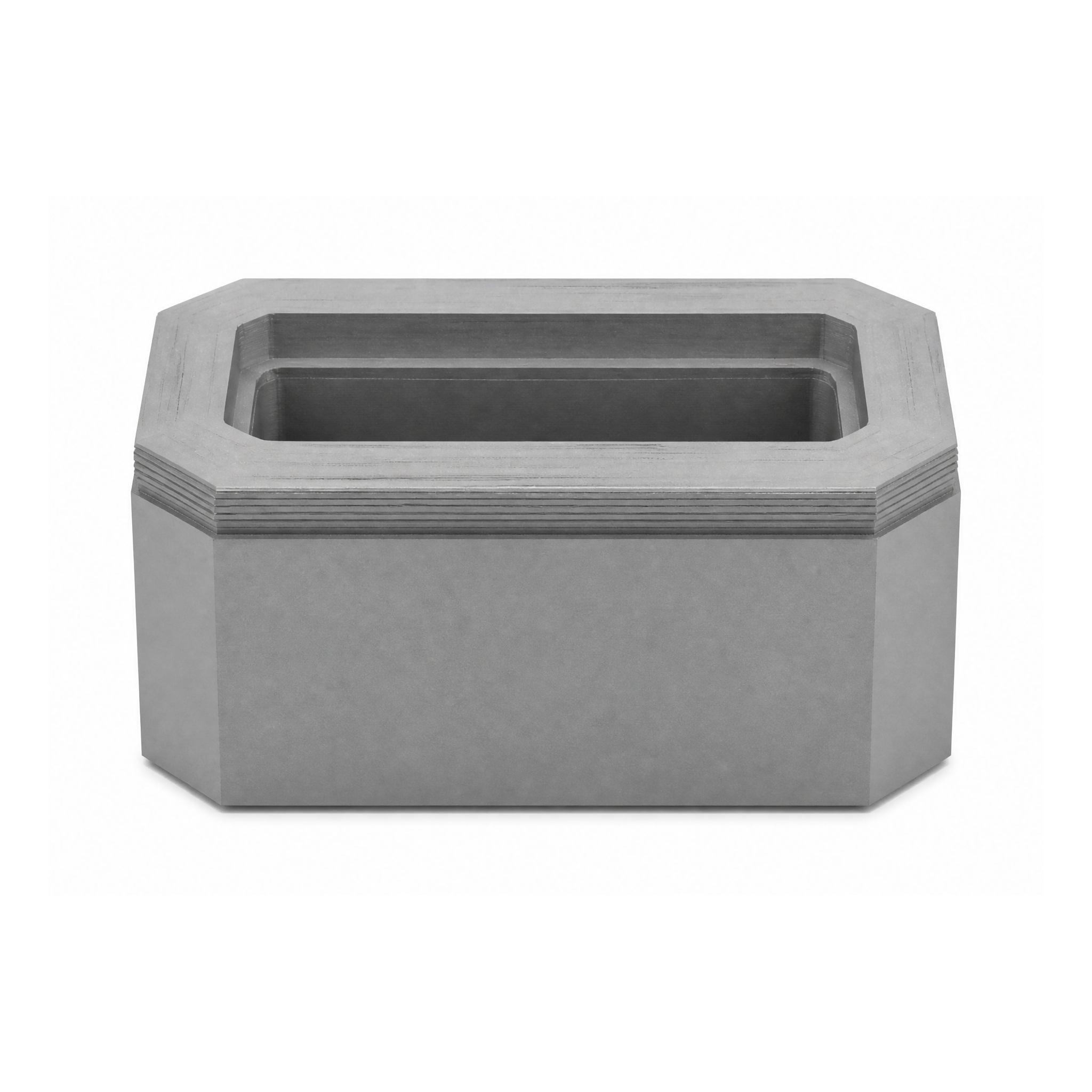
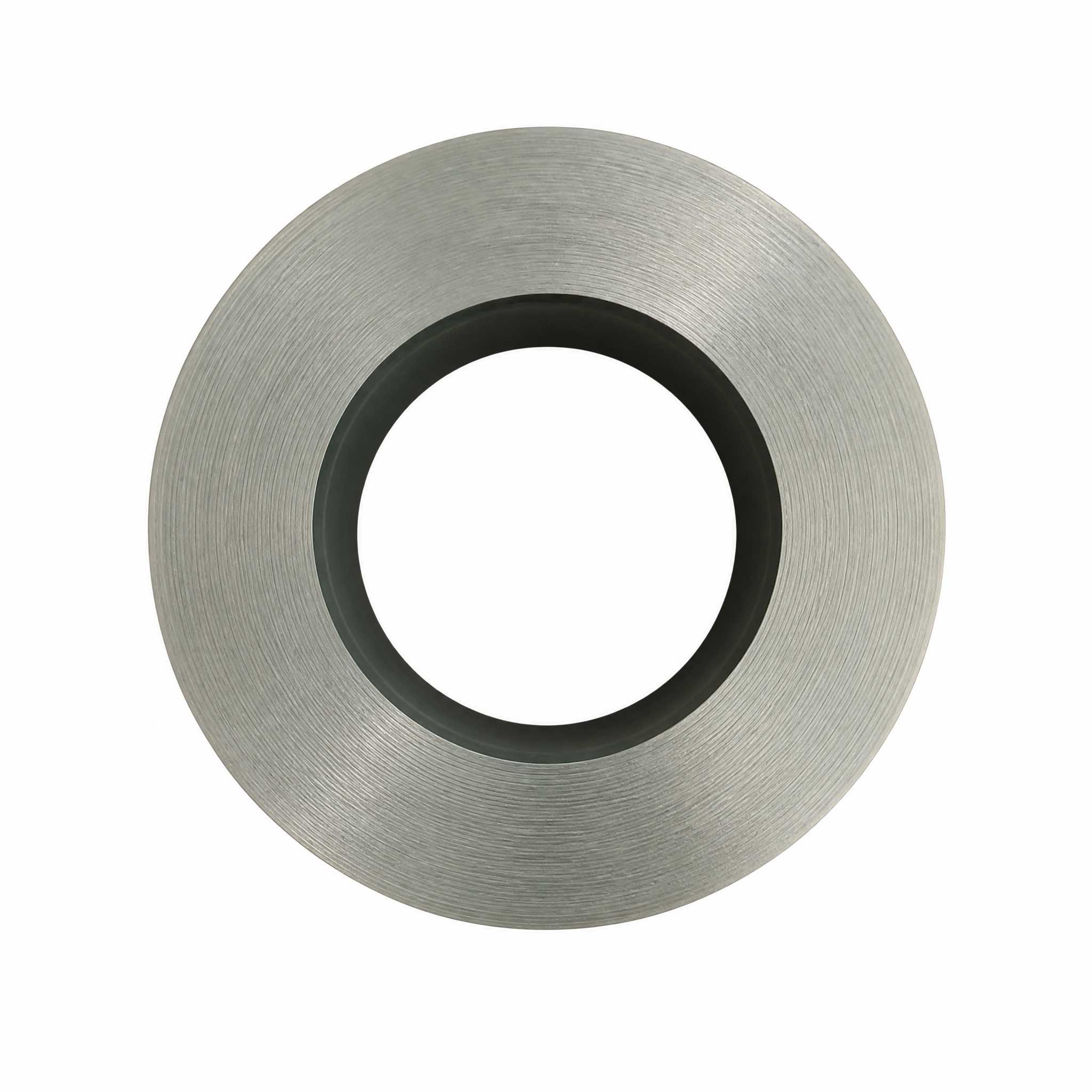
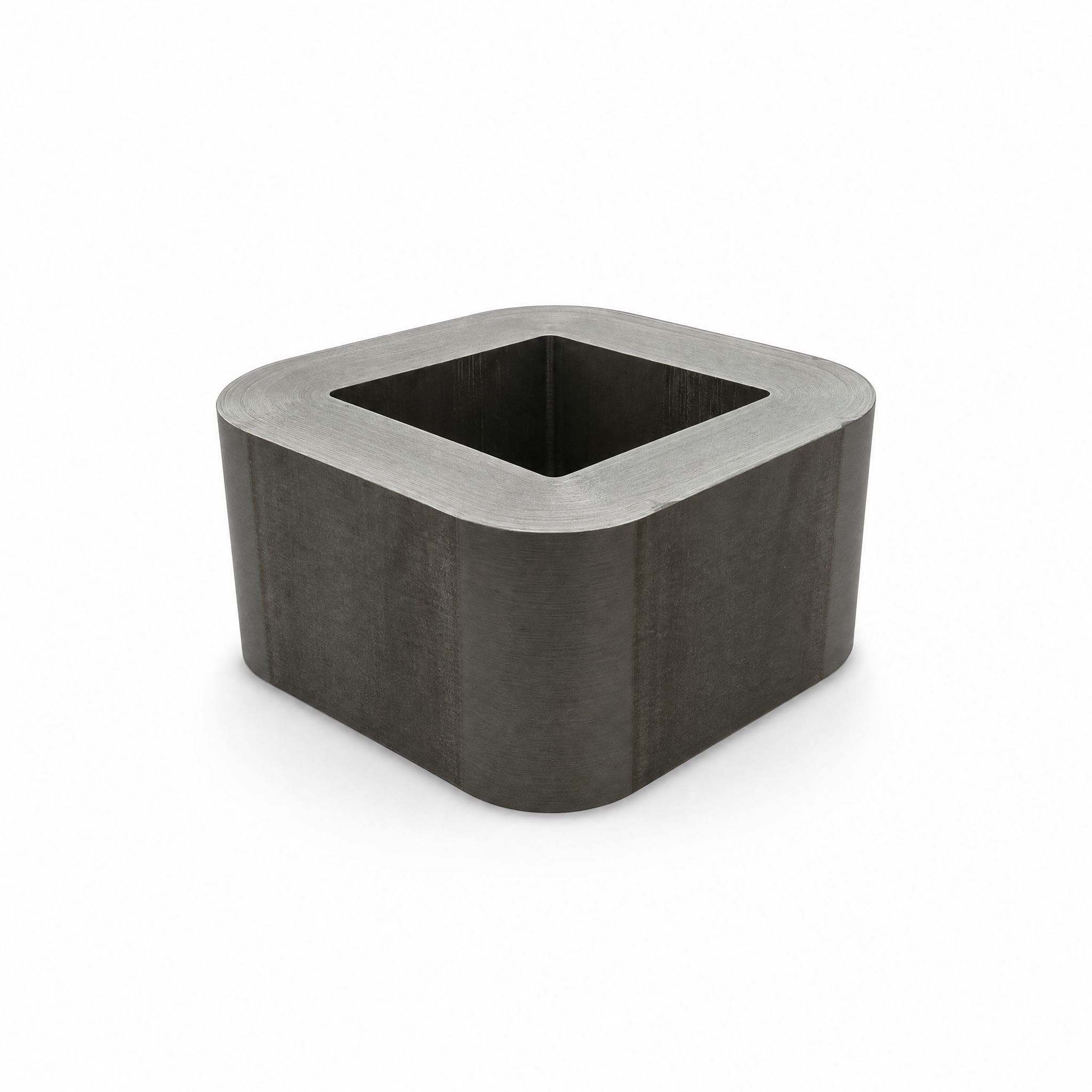
A toroidal core is made by winding a continuous strip of electrical steel around a ring former until the specified build is reached. Because the strip is wound rather than stacked, the magnetic path has no joints in the flux direction, and the core needs no air gap in a normal transformer application. That is why toroidal transformers of the same rating are typically more compact and mechanically quieter than laminated types.
Every core is produced to the customer's specification. You send us the core dimensions, material grade, strip thickness, insulation and treatment requirements. We review the specification, confirm feasibility and quote.
Origine du produit :
CHINAPort d'expédition :
NANSHA/SHEKOUPaiement :
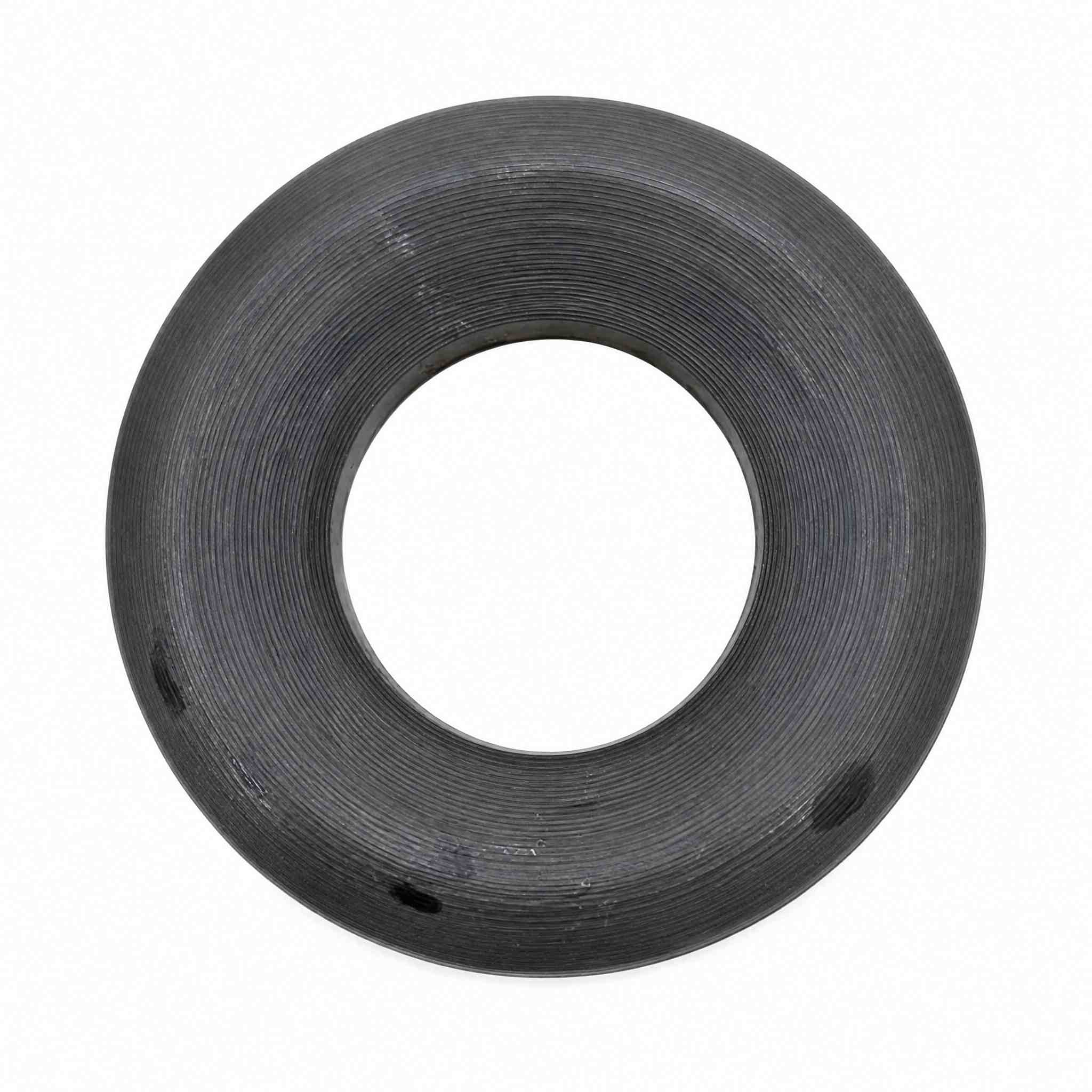
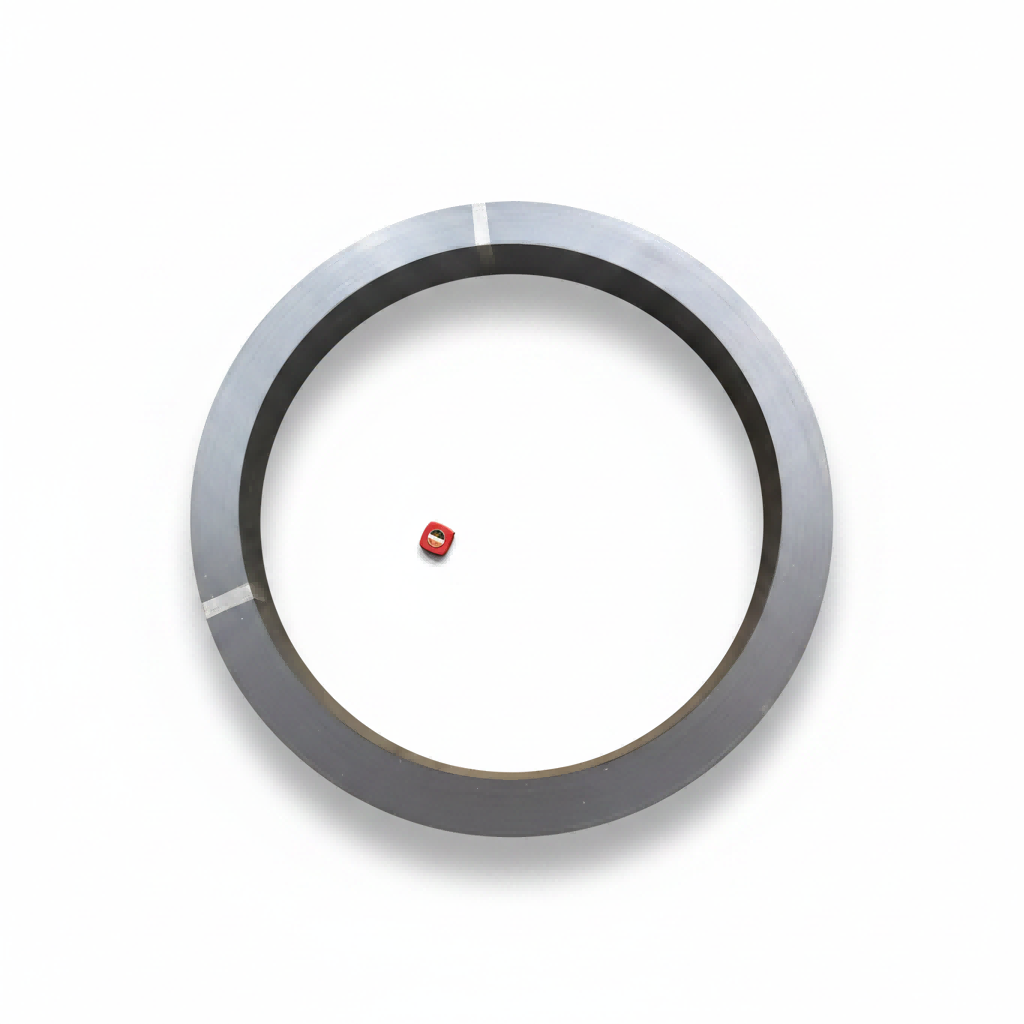
TTA toroidal core is defined by four dimensions: outer diameter, inner diameter, core height and build. The strip width sets the core height directly, and the number of wound layers sets the build and the resulting cross-sectional area.
Winding tension and layer alignment matter more here than in most core types. Uneven tension produces an oval core, an irregular build and local stress concentrations that reduce effective permeability in the finished part.
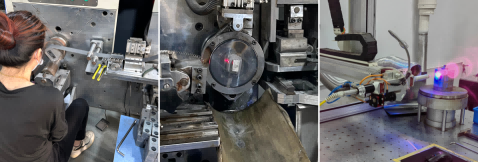
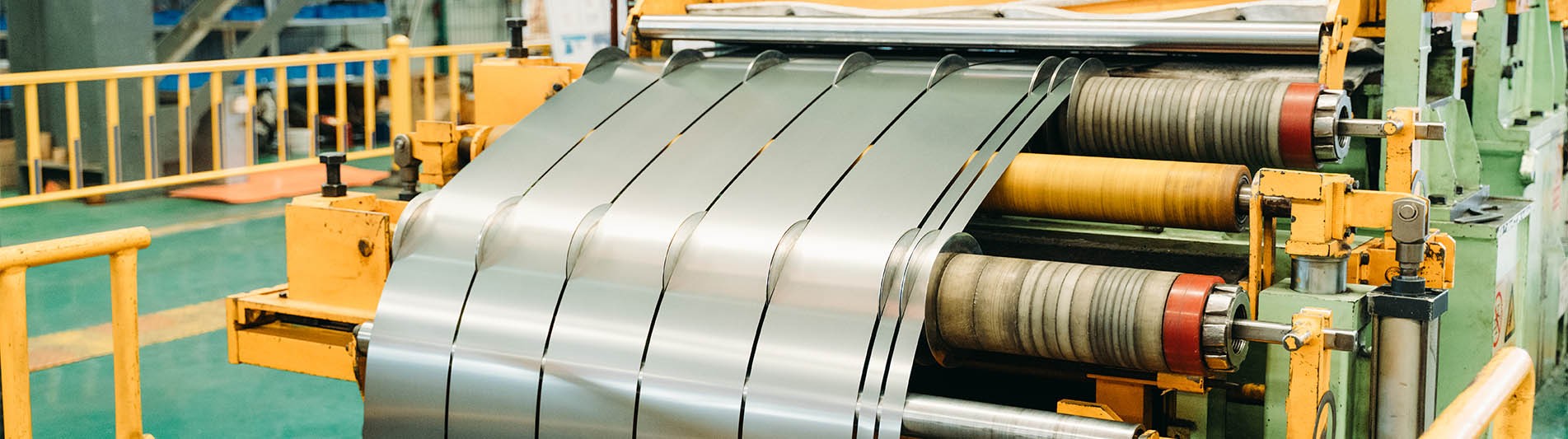
Winding bends the strip, and the bending stress stays in the finished core. In grain-oriented electrical steel this stress degrades the magnetic properties that the material was selected for, and the degradation is measurable.
Stress-relief annealing after winding removes that stress and restores the core's magnetic performance. For transformer and current transformer cores this step is not optional in practice — it is what separates a core that meets its specified performance from one that does not.
Cores are normally supplied as uncut rings. Where the customer's winding process requires it, cores can be supplied cut, or with a controlled gap, so that the core can be opened and closed around a pre-wound bobbin.
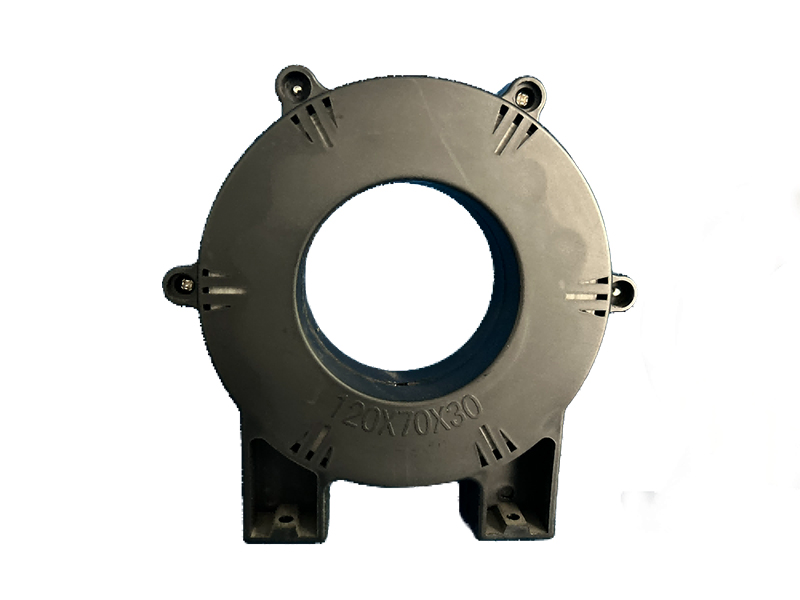
Cores are insulated according to the application: tape wrapping for general transformer and inductor use, epoxy coating where mechanical protection or environmental resistance is needed, and cased cores for current transformer designs.
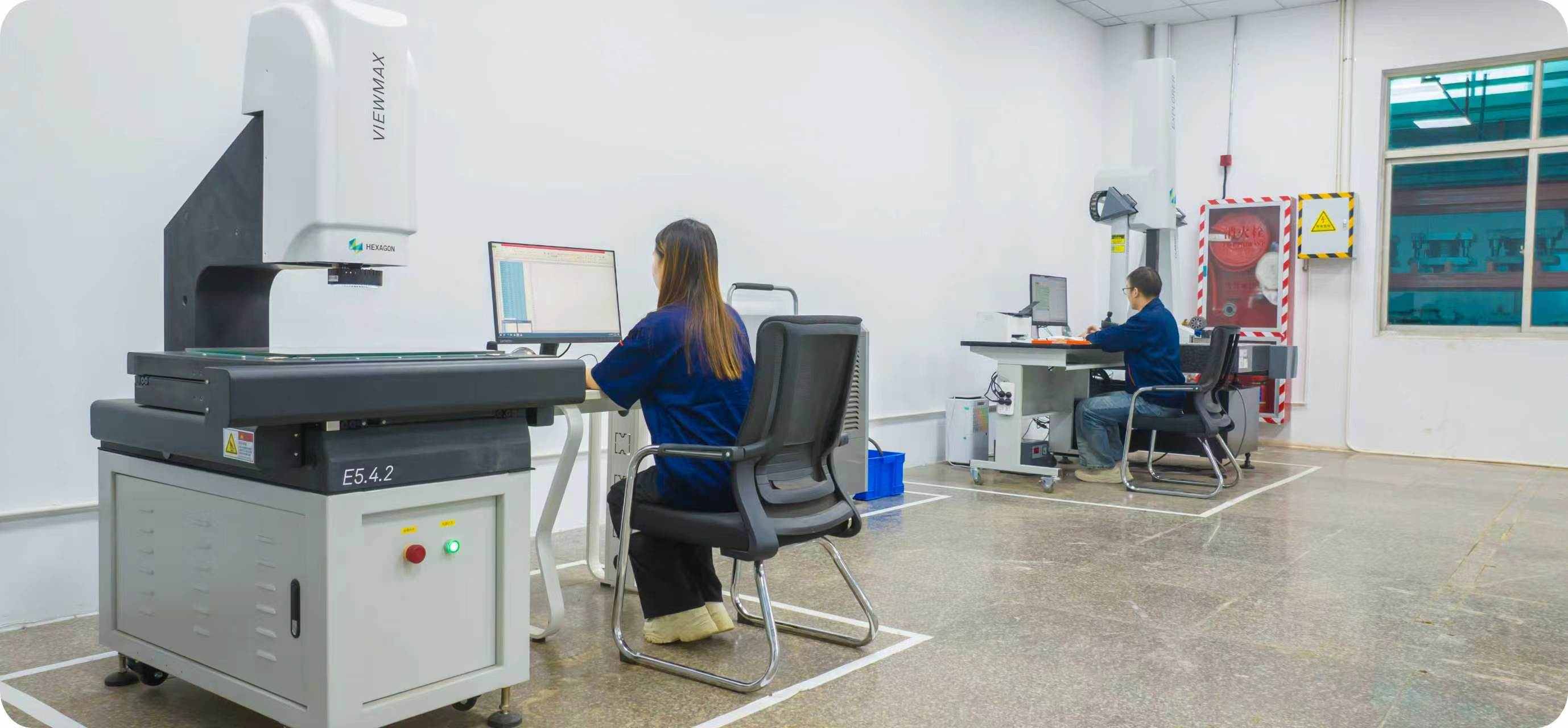
Dimensional inspection covers outer diameter, inner diameter, core height, build and squareness.
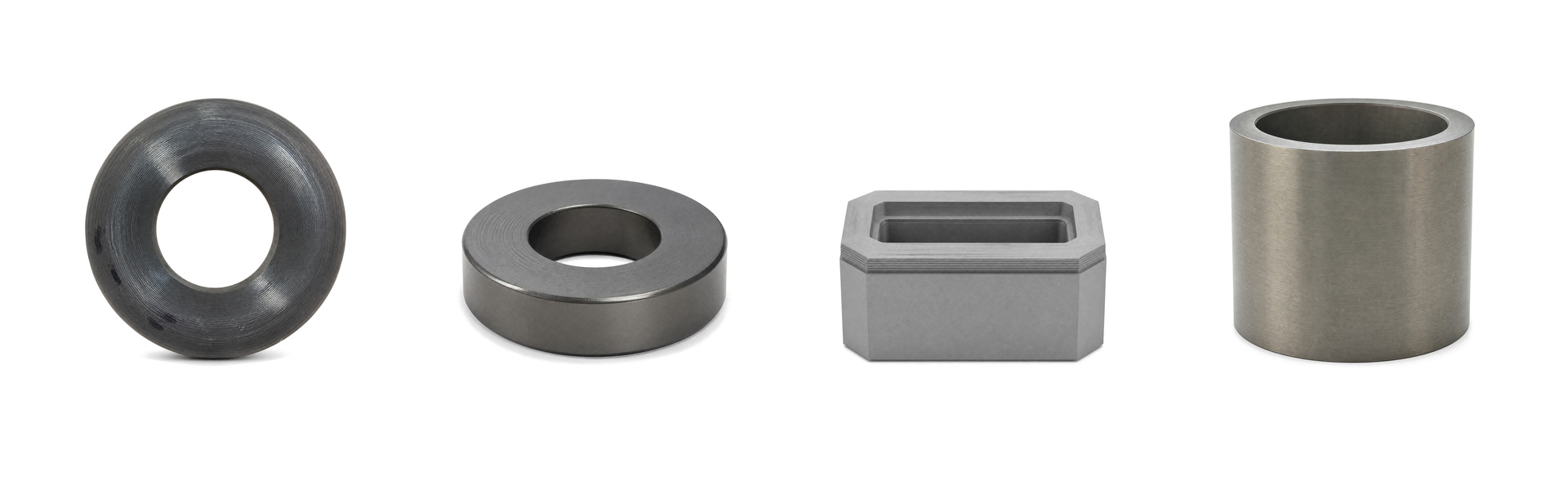
Common forms we are asked to produce:
Feasibility for your specific design is confirmed at the specification review stage.
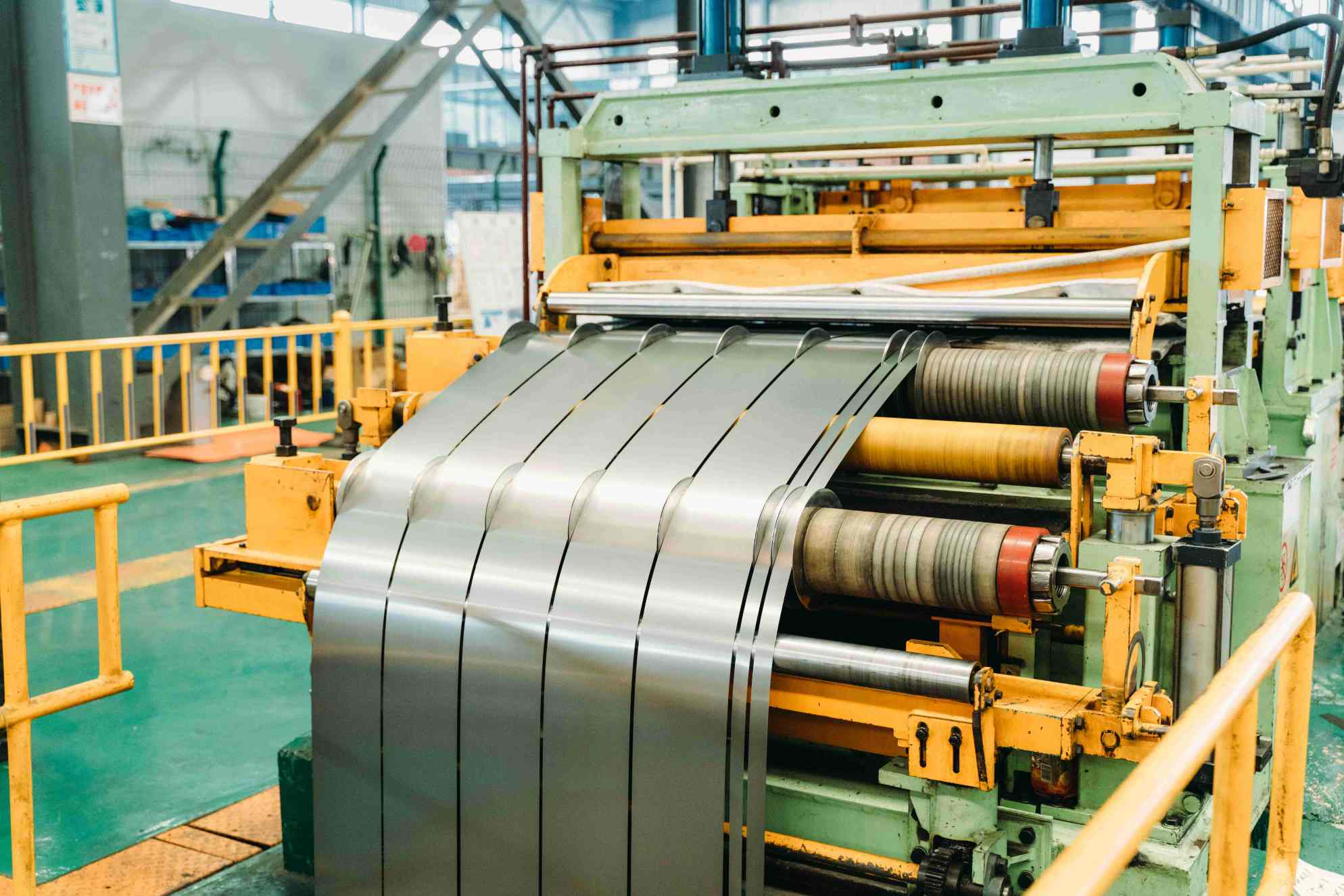
Strip thickness affects core loss: thinner strip reduces eddy current loss at higher frequency, and thicker strip lowers winding cost in mains-frequency applications.
To quote a toroidal core we need:
If some of these are not settled yet, send what you have — we will confirm the remaining points before quoting.
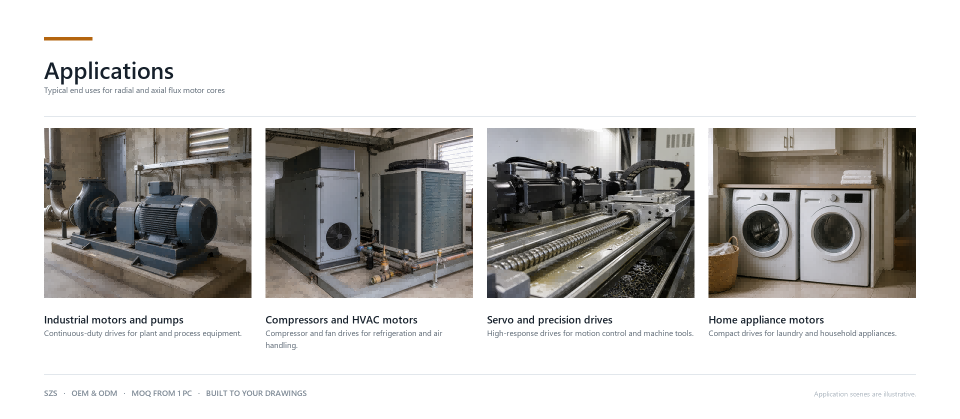
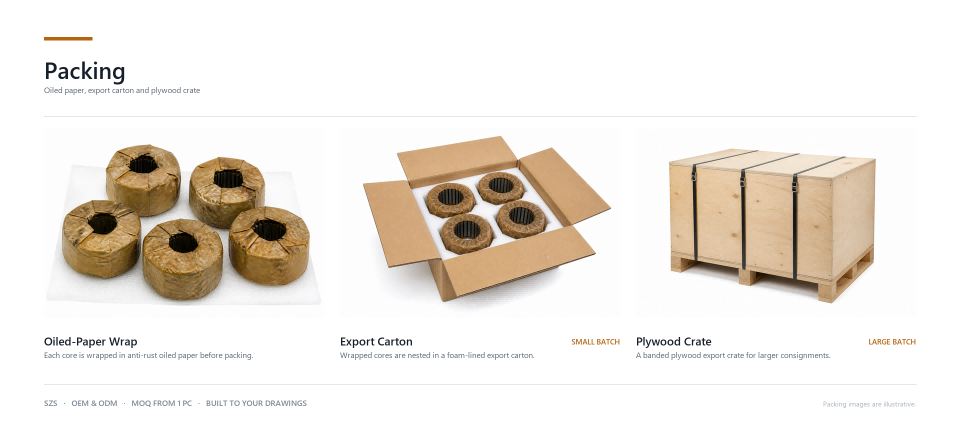
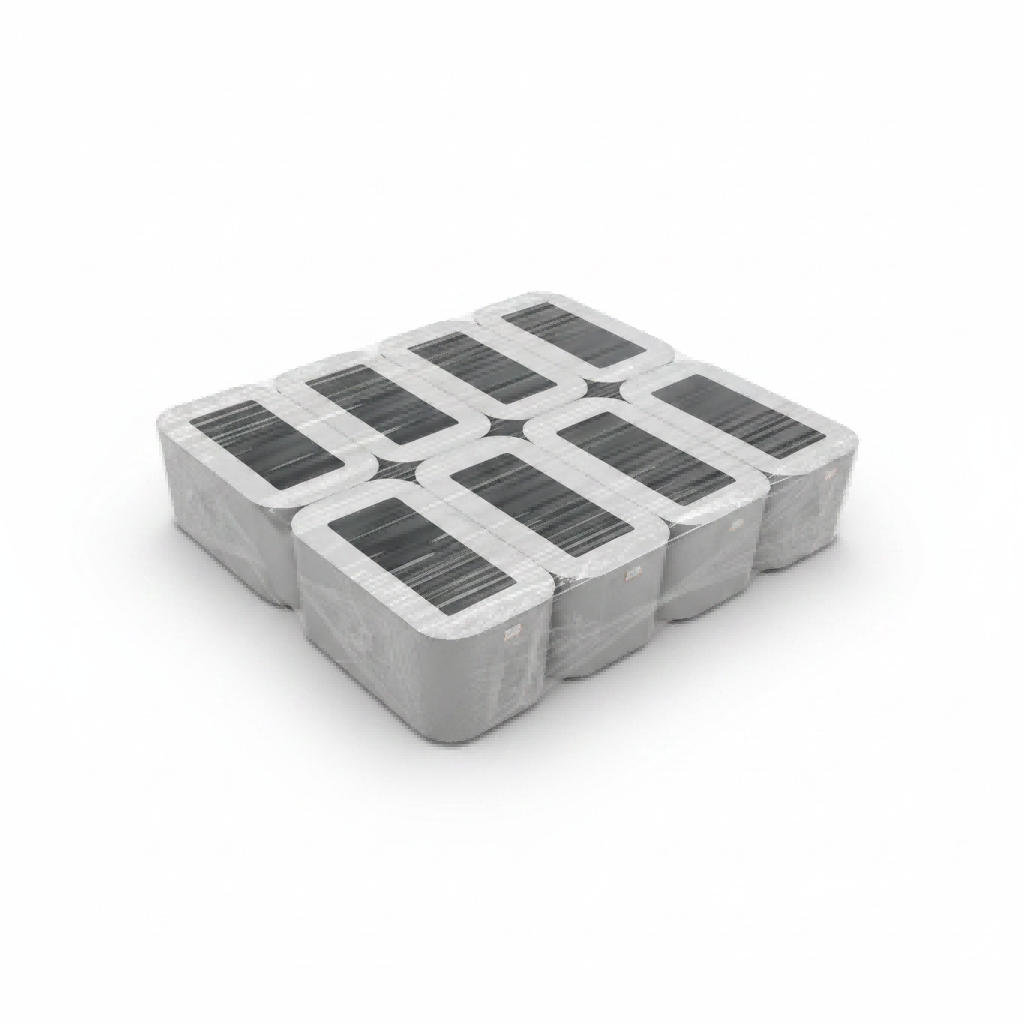
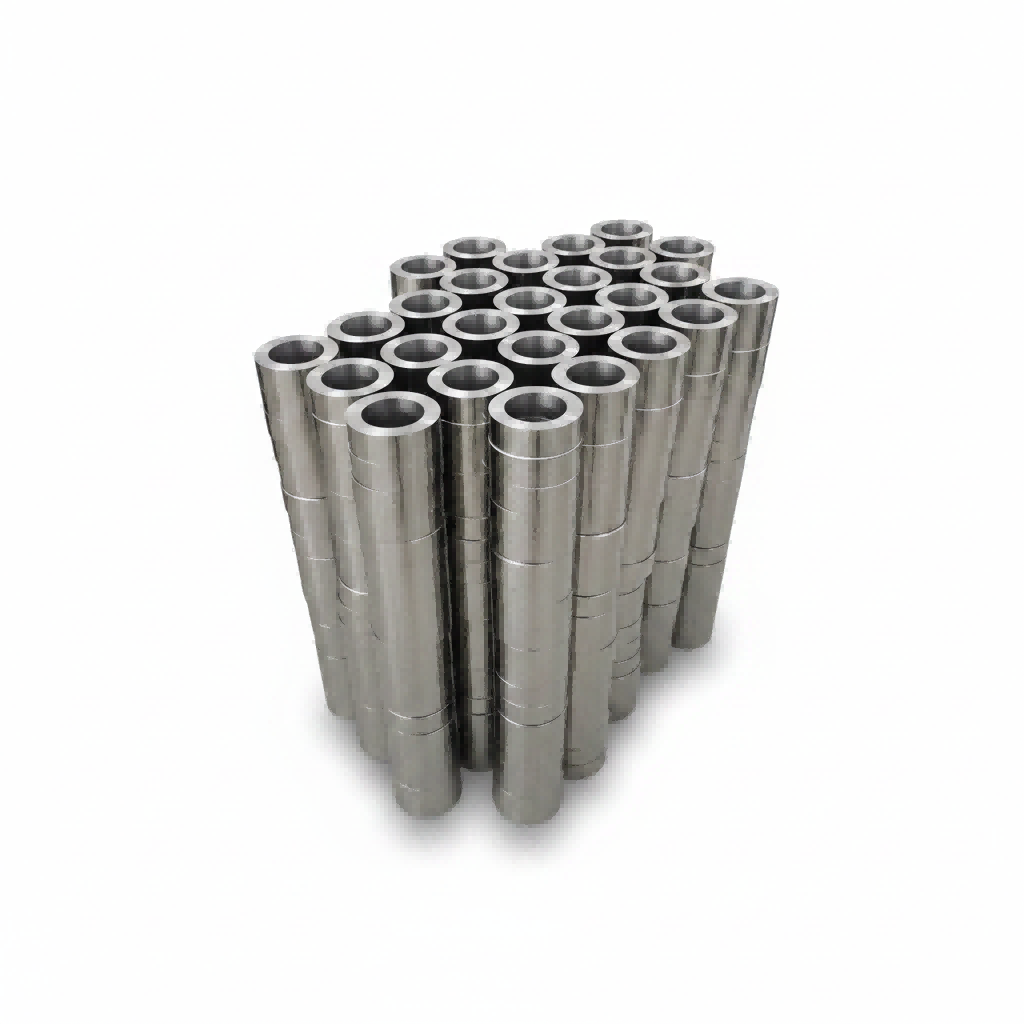
Cores are packed to protect against rust, moisture and deformation in transit. Rust-preventive wrapping and export packing are used as standard.
What is a toroidal transformer core? A toroidal transformer core is a ring-shaped magnetic core wound from a continuous strip of electrical steel. Because the strip is wound continuously around the ring, the magnetic path has no joints in the flux direction, which gives a toroidal transformer lower stray field and a more compact size than an equivalent laminated transformer.
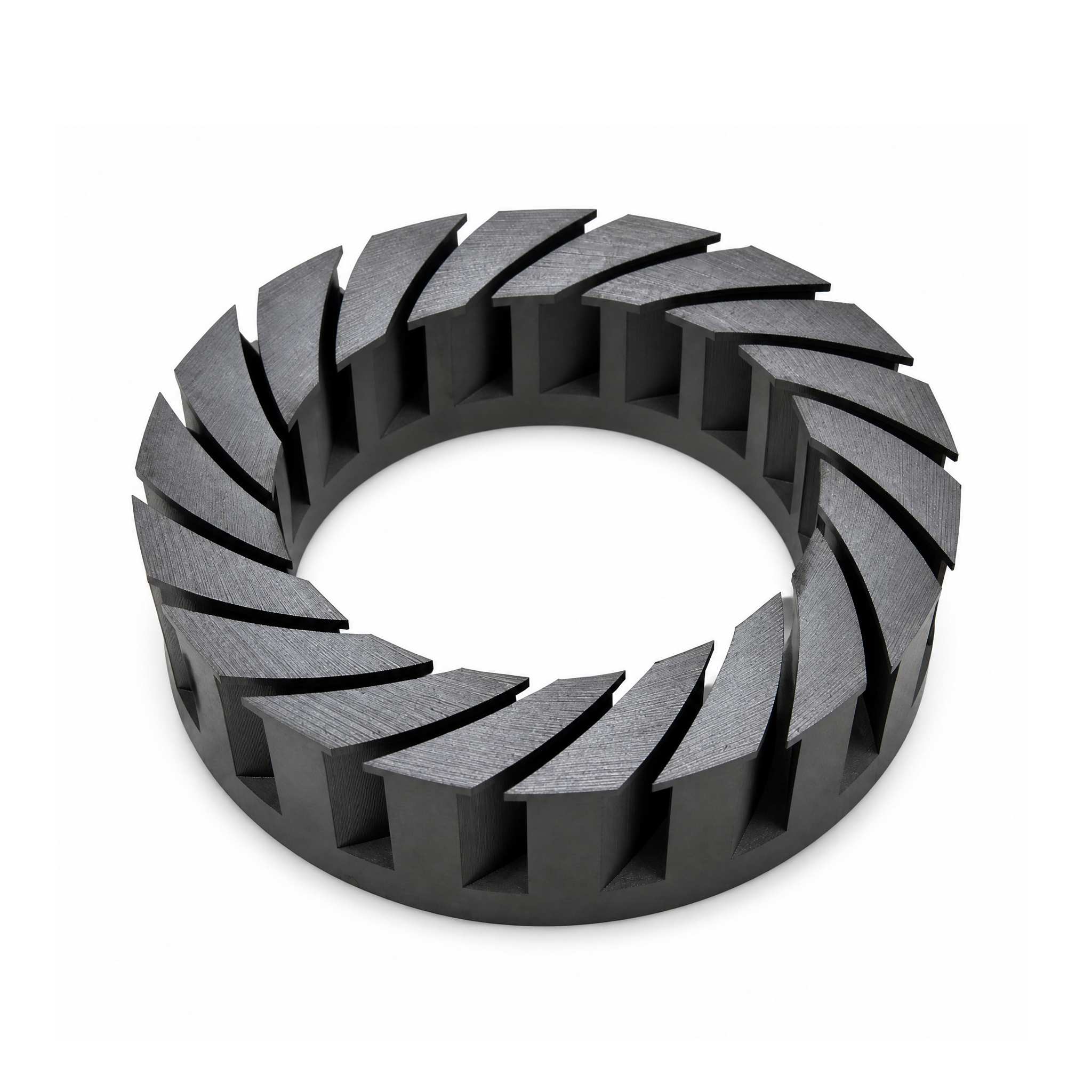
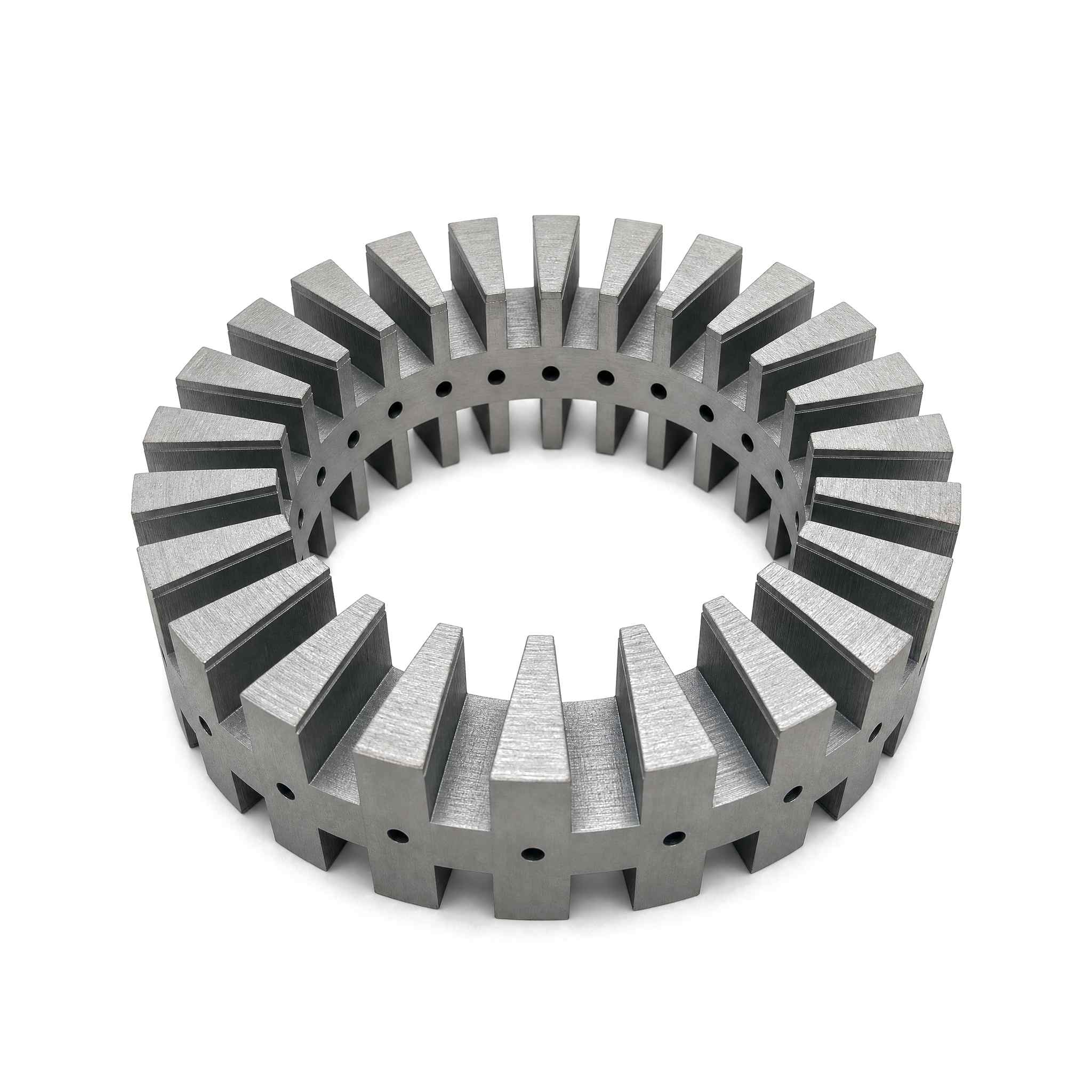
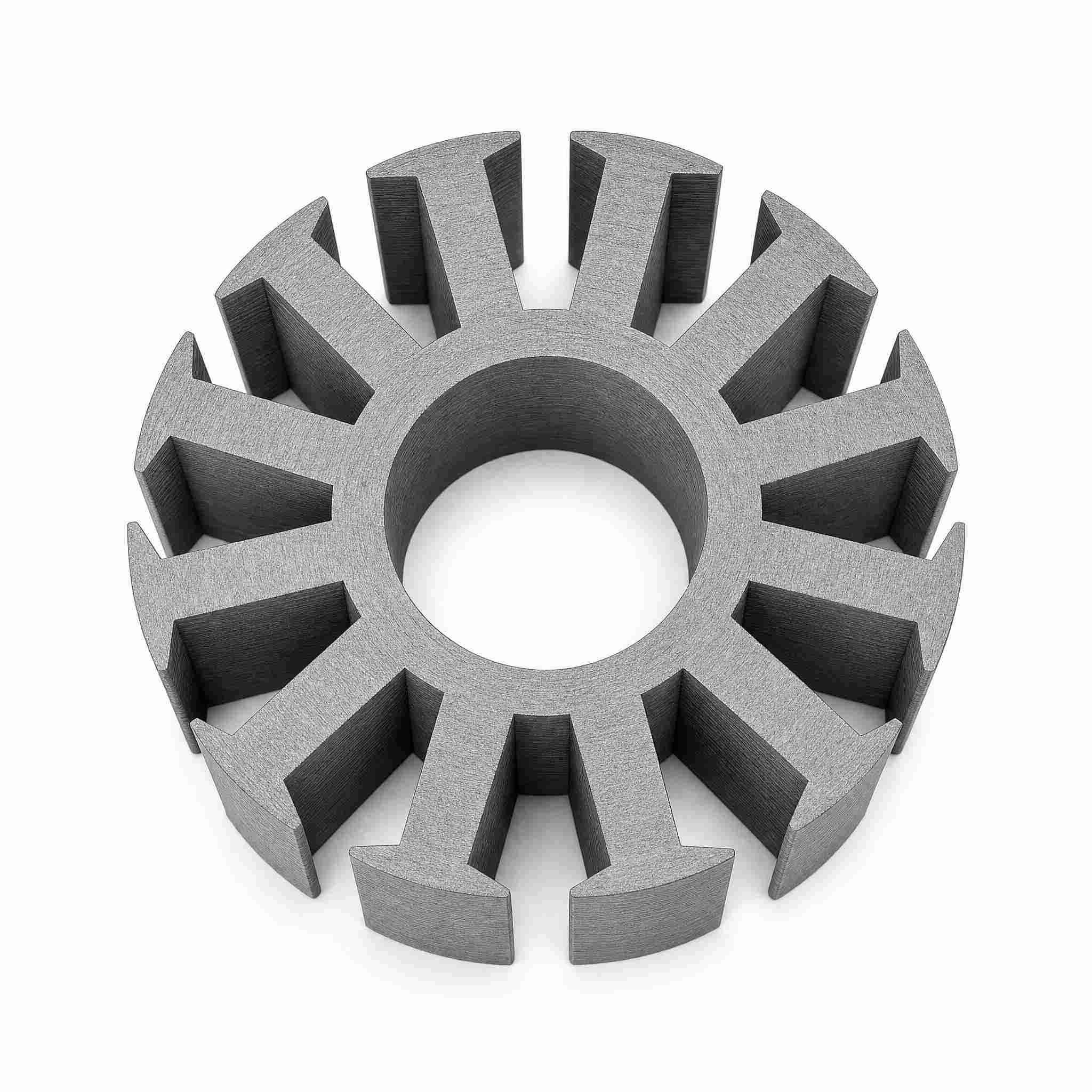
Are your toroidal cores wound or laminated? They are wound. The strip is wound around a ring former until the required build is reached, then the core is finished and insulated. Laminated construction is used for our radial motor cores, which are a different product line.
Can you produce cores to our dimensions? Yes. Send us the outer diameter, inner diameter, core height, build and material grade, and we will confirm feasibility and quote.
Are the cores annealed after winding? Yes — the cores are stress-relief annealed after winding to remove the stress introduced by winding and restore the magnetic properties of the grain-oriented steel.
What material do you use for toroidal transformer cores? Grain-oriented electrical steel is the standard material for transformer and current transformer cores. Non-grain-oriented steel is used where the flux direction is not fixed.
What is your minimum order quantity? Please send your specification and we will confirm the MOQ for your core size and material.
Shunge Steel manufactures custom toroidal transformer cores in Foshan, Guangdong, China — wound ring cores in grain-oriented electrical steel, produced to the dimensions and the treatment requirements your design calls for. A toroidal core is made by winding a continuous strip of electrical steel around a ring former until the specified build is reached. Because the strip is wound rather than stacked, the magnetic path has no joints in the flux direction, and the core needs no air gap in a normal transformer application. That is why toroidal transformers of the same rating are typically more compact and mechanically quieter than laminated types. Every core is produced to the customer's specification. You send us the core dimensions, material grade, strip thickness, insulation and treatment requirements. We review the specification, confirm feasibility and quote.
Shunge Steel manufactures custom toroidal transformer cores in Foshan, Guangdong, China — wound ring cores in grain-oriented electrical steel, produced to the dimensions and the treatment requirements your design calls for. A toroidal core is made by winding a continuous strip of electrical steel around a ring former until the specified build is reached. Because the strip is wound rather than stacked, the magnetic path has no joints in the flux direction, and the core needs no air gap in a normal transformer application. That is why toroidal transformers of the same rating are typically more compact and mechanically quieter than laminated types. Every core is produced to the customer's specification. You send us the core dimensions, material grade, strip thickness, insulation and treatment requirements. We review the specification, confirm feasibility and quote.

Shunge Steel manufactures custom toroidal transformer cores in Foshan, Guangdong, China — wound ring cores in grain-oriented electrical steel, produced to the dimensions and the treatment requirements your design calls for. A toroidal core is made by winding a continuous strip of electrical steel around a ring former until the specified build is reached. Because the strip is wound rather than stacked, the magnetic path has no joints in the flux direction, and the core needs no air gap in a normal transformer application. That is why toroidal transformers of the same rating are typically more compact and mechanically quieter than laminated types. Every core is produced to the customer's specification. You send us the core dimensions, material grade, strip thickness, insulation and treatment requirements. We review the specification, confirm feasibility and quote.
Shunge Steel manufactures custom toroidal transformer cores in Foshan, Guangdong, China — wound ring cores in grain-oriented electrical steel, produced to the dimensions and the treatment requirements your design calls for. A toroidal core is made by winding a continuous strip of electrical steel around a ring former until the specified build is reached. Because the strip is wound rather than stacked, the magnetic path has no joints in the flux direction, and the core needs no air gap in a normal transformer application. That is why toroidal transformers of the same rating are typically more compact and mechanically quieter than laminated types. Every core is produced to the customer's specification. You send us the core dimensions, material grade, strip thickness, insulation and treatment requirements. We review the specification, confirm feasibility and quote.
Shunge Steel manufactures custom toroidal transformer cores in Foshan, Guangdong, China — wound ring cores in grain-oriented electrical steel, produced to the dimensions and the treatment requirements your design calls for. A toroidal core is made by winding a continuous strip of electrical steel around a ring former until the specified build is reached. Because the strip is wound rather than stacked, the magnetic path has no joints in the flux direction, and the core needs no air gap in a normal transformer application. That is why toroidal transformers of the same rating are typically more compact and mechanically quieter than laminated types. Every core is produced to the customer's specification. You send us the core dimensions, material grade, strip thickness, insulation and treatment requirements. We review the specification, confirm feasibility and quote.
Shunge Steel manufactures custom toroidal transformer cores in Foshan, Guangdong, China — wound ring cores in grain-oriented electrical steel, produced to the dimensions and the treatment requirements your design calls for. A toroidal core is made by winding a continuous strip of electrical steel around a ring former until the specified build is reached. Because the strip is wound rather than stacked, the magnetic path has no joints in the flux direction, and the core needs no air gap in a normal transformer application. That is why toroidal transformers of the same rating are typically more compact and mechanically quieter than laminated types. Every core is produced to the customer's specification. You send us the core dimensions, material grade, strip thickness, insulation and treatment requirements. We review the specification, confirm feasibility and quote.
Shunge Steel manufactures custom toroidal transformer cores in Foshan, Guangdong, China — wound ring cores in grain-oriented electrical steel, produced to the dimensions and the treatment requirements your design calls for. A toroidal core is made by winding a continuous strip of electrical steel around a ring former until the specified build is reached. Because the strip is wound rather than stacked, the magnetic path has no joints in the flux direction, and the core needs no air gap in a normal transformer application. That is why toroidal transformers of the same rating are typically more compact and mechanically quieter than laminated types. Every core is produced to the customer's specification. You send us the core dimensions, material grade, strip thickness, insulation and treatment requirements. We review the specification, confirm feasibility and quote.
Shunge Steel manufactures custom toroidal transformer cores in Foshan, Guangdong, China — wound ring cores in grain-oriented electrical steel, produced to the dimensions and the treatment requirements your design calls for. A toroidal core is made by winding a continuous strip of electrical steel around a ring former until the specified build is reached. Because the strip is wound rather than stacked, the magnetic path has no joints in the flux direction, and the core needs no air gap in a normal transformer application. That is why toroidal transformers of the same rating are typically more compact and mechanically quieter than laminated types. Every core is produced to the customer's specification. You send us the core dimensions, material grade, strip thickness, insulation and treatment requirements. We review the specification, confirm feasibility and quote.
Shunge Steel manufactures custom toroidal transformer cores in Foshan, Guangdong, China — wound ring cores in grain-oriented electrical steel, produced to the dimensions and the treatment requirements your design calls for. A toroidal core is made by winding a continuous strip of electrical steel around a ring former until the specified build is reached. Because the strip is wound rather than stacked, the magnetic path has no joints in the flux direction, and the core needs no air gap in a normal transformer application. That is why toroidal transformers of the same rating are typically more compact and mechanically quieter than laminated types. Every core is produced to the customer's specification. You send us the core dimensions, material grade, strip thickness, insulation and treatment requirements. We review the specification, confirm feasibility and quote.

Shunge Steel manufactures custom toroidal transformer cores in Foshan, Guangdong, China — wound ring cores in grain-oriented electrical steel, produced to the dimensions and the treatment requirements your design calls for. A toroidal core is made by winding a continuous strip of electrical steel around a ring former until the specified build is reached. Because the strip is wound rather than stacked, the magnetic path has no joints in the flux direction, and the core needs no air gap in a normal transformer application. That is why toroidal transformers of the same rating are typically more compact and mechanically quieter than laminated types. Every core is produced to the customer's specification. You send us the core dimensions, material grade, strip thickness, insulation and treatment requirements. We review the specification, confirm feasibility and quote.
Shunge Steel manufactures custom toroidal transformer cores in Foshan, Guangdong, China — wound ring cores in grain-oriented electrical steel, produced to the dimensions and the treatment requirements your design calls for. A toroidal core is made by winding a continuous strip of electrical steel around a ring former until the specified build is reached. Because the strip is wound rather than stacked, the magnetic path has no joints in the flux direction, and the core needs no air gap in a normal transformer application. That is why toroidal transformers of the same rating are typically more compact and mechanically quieter than laminated types. Every core is produced to the customer's specification. You send us the core dimensions, material grade, strip thickness, insulation and treatment requirements. We review the specification, confirm feasibility and quote.
Shunge Steel manufactures custom toroidal transformer cores in Foshan, Guangdong, China — wound ring cores in grain-oriented electrical steel, produced to the dimensions and the treatment requirements your design calls for. A toroidal core is made by winding a continuous strip of electrical steel around a ring former until the specified build is reached. Because the strip is wound rather than stacked, the magnetic path has no joints in the flux direction, and the core needs no air gap in a normal transformer application. That is why toroidal transformers of the same rating are typically more compact and mechanically quieter than laminated types. Every core is produced to the customer's specification. You send us the core dimensions, material grade, strip thickness, insulation and treatment requirements. We review the specification, confirm feasibility and quote.
Shunge Steel manufactures custom toroidal transformer cores in Foshan, Guangdong, China — wound ring cores in grain-oriented electrical steel, produced to the dimensions and the treatment requirements your design calls for. A toroidal core is made by winding a continuous strip of electrical steel around a ring former until the specified build is reached. Because the strip is wound rather than stacked, the magnetic path has no joints in the flux direction, and the core needs no air gap in a normal transformer application. That is why toroidal transformers of the same rating are typically more compact and mechanically quieter than laminated types. Every core is produced to the customer's specification. You send us the core dimensions, material grade, strip thickness, insulation and treatment requirements. We review the specification, confirm feasibility and quote.
Shunge Steel manufactures custom toroidal transformer cores in Foshan, Guangdong, China — wound ring cores in grain-oriented electrical steel, produced to the dimensions and the treatment requirements your design calls for. A toroidal core is made by winding a continuous strip of electrical steel around a ring former until the specified build is reached. Because the strip is wound rather than stacked, the magnetic path has no joints in the flux direction, and the core needs no air gap in a normal transformer application. That is why toroidal transformers of the same rating are typically more compact and mechanically quieter than laminated types. Every core is produced to the customer's specification. You send us the core dimensions, material grade, strip thickness, insulation and treatment requirements. We review the specification, confirm feasibility and quote.
Shunge Steel manufactures custom toroidal transformer cores in Foshan, Guangdong, China — wound ring cores in grain-oriented electrical steel, produced to the dimensions and the treatment requirements your design calls for. A toroidal core is made by winding a continuous strip of electrical steel around a ring former until the specified build is reached. Because the strip is wound rather than stacked, the magnetic path has no joints in the flux direction, and the core needs no air gap in a normal transformer application. That is why toroidal transformers of the same rating are typically more compact and mechanically quieter than laminated types. Every core is produced to the customer's specification. You send us the core dimensions, material grade, strip thickness, insulation and treatment requirements. We review the specification, confirm feasibility and quote.
Shunge Steel manufactures custom toroidal transformer cores in Foshan, Guangdong, China — wound ring cores in grain-oriented electrical steel, produced to the dimensions and the treatment requirements your design calls for. A toroidal core is made by winding a continuous strip of electrical steel around a ring former until the specified build is reached. Because the strip is wound rather than stacked, the magnetic path has no joints in the flux direction, and the core needs no air gap in a normal transformer application. That is why toroidal transformers of the same rating are typically more compact and mechanically quieter than laminated types. Every core is produced to the customer's specification. You send us the core dimensions, material grade, strip thickness, insulation and treatment requirements. We review the specification, confirm feasibility and quote.
Shunge Steel manufactures custom toroidal transformer cores in Foshan, Guangdong, China — wound ring cores in grain-oriented electrical steel, produced to the dimensions and the treatment requirements your design calls for. A toroidal core is made by winding a continuous strip of electrical steel around a ring former until the specified build is reached. Because the strip is wound rather than stacked, the magnetic path has no joints in the flux direction, and the core needs no air gap in a normal transformer application. That is why toroidal transformers of the same rating are typically more compact and mechanically quieter than laminated types. Every core is produced to the customer's specification. You send us the core dimensions, material grade, strip thickness, insulation and treatment requirements. We review the specification, confirm feasibility and quote.
Shunge Steel manufactures custom toroidal transformer cores in Foshan, Guangdong, China — wound ring cores in grain-oriented electrical steel, produced to the dimensions and the treatment requirements your design calls for. A toroidal core is made by winding a continuous strip of electrical steel around a ring former until the specified build is reached. Because the strip is wound rather than stacked, the magnetic path has no joints in the flux direction, and the core needs no air gap in a normal transformer application. That is why toroidal transformers of the same rating are typically more compact and mechanically quieter than laminated types. Every core is produced to the customer's specification. You send us the core dimensions, material grade, strip thickness, insulation and treatment requirements. We review the specification, confirm feasibility and quote.

Adresse : Room 201, West Building A, Dawei Logistics, Xihai Industrial Zone, Lecong Town, Shunde District, Foshan City
Vous pouvez vous désabonner à tout moment. Pour cela, veuillez trouver nos coordonnées dans les mentions légales.


 IPv6 RÉSEAU PRIS EN CHARGE
We will contact you as soon as possible
Hi! Click one of our members below to chat on
 en
en fr
fr es
es