
 en
en fr
fr es
es
1. Perte à vide Po – sensiblement au même niveau
Po dépend principalement du matériau du noyau et de la densité de flux magnétique nominale. Pour une même classe d'efficacité, Transformateurs immergés dans l'huile et Transformateurs de type sec utiliser le même niveau de laminage à froid à grains orientés tôles d'acier au silicium (CRGO) ou même alliages amorphes, donc Po peut être très proche.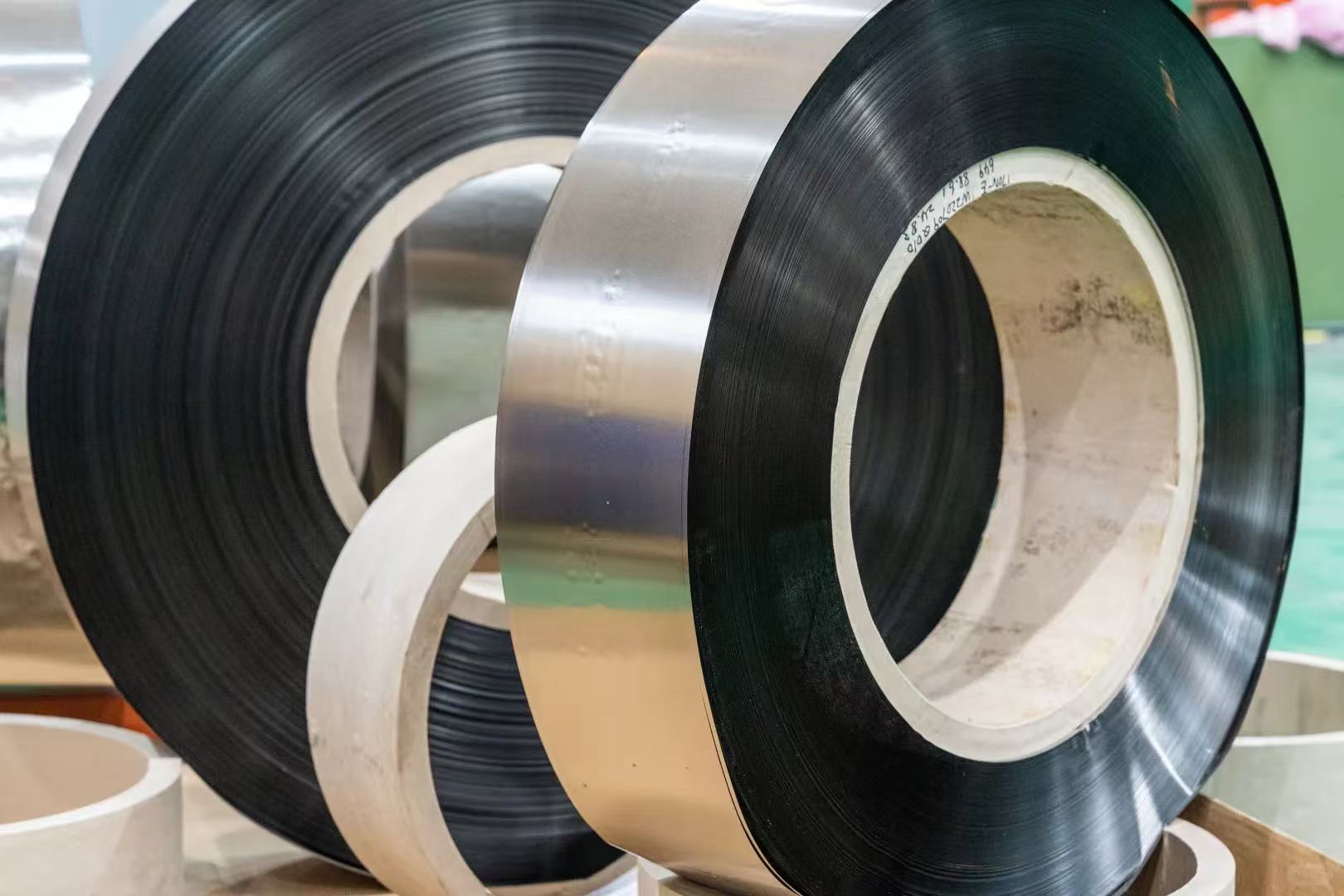
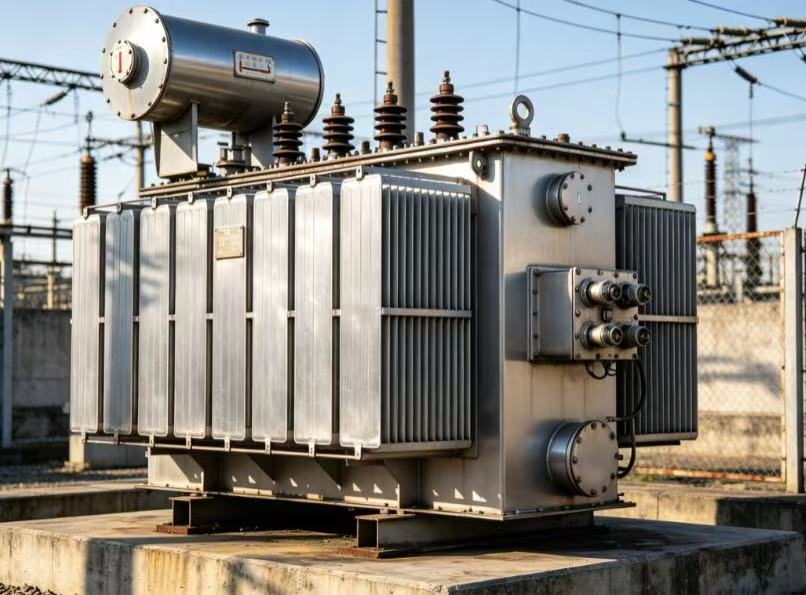
2. Pertes en charge Pk – Les transformateurs immergés dans l'huile présentent un avantage à la « température de fonctionnement réelle »
Voici le principal point de divergence :
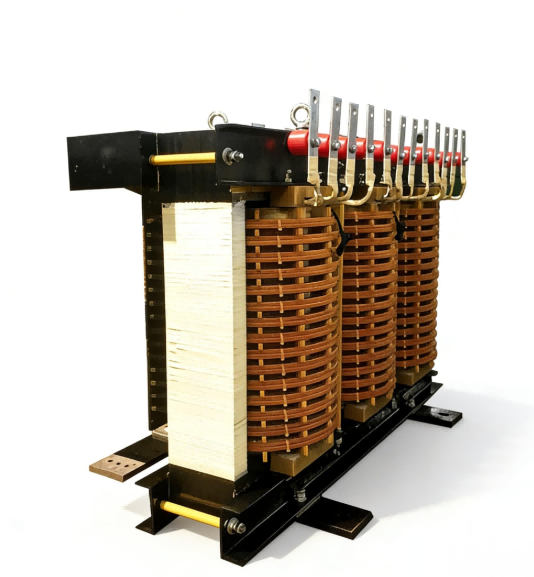
Immersion dans l'huile : la chaleur des enroulements est rapidement évacuée par l'huile, ce qui assure une température d'huile uniforme et un meilleur contrôle des points chauds. L'élévation de température de la résistance est relativement maîtrisable ; R(T) dans Pk = I²R(T) ne subira donc pas de pics excessifs.
Bobine d'enroulement à immersion sèche (SCB moulée en résine époxy) : Bien que les matériaux d'isolation de classe F (155 °C) et de classe H (180 °C) permettent des températures plus élevées, le système de contrôle, pour optimiser la durée de vie, maintient généralement la température de l'enroulement dans une plage plus prudente (par exemple, ≤ 120 à 130 °C en continu). Dès qu'elle approche du seuil critique, le système limite la charge ou arrête le ventilateur à pleine vitesse.
Résultat : À quantité de conducteurs et marge de conception égales, le Pk d'un transformateur immergé dans l'huile est plus susceptible de se stabiliser à une valeur effective inférieure lors d'un fonctionnement prolongé à charge élevée – cela n'est pas dû à des « fils de cuivre différents », mais plutôt à un dissipateur thermique plus puissant.
3. La dissipation thermique détermine un facteur d'efficacité caché : le « rendement en surcharge disponible ». Cela signifie que si vos caractéristiques de charge sont constamment élevées (> 75 %), la courbe de rendement global d'un transformateur hydraulique sera meilleure et sa durée de vie plus longue que celle d'un transformateur sec. À l'inverse, si la charge fluctue faiblement à modérément tout au long de l'année, la différence de rendement entre les deux sera minime.
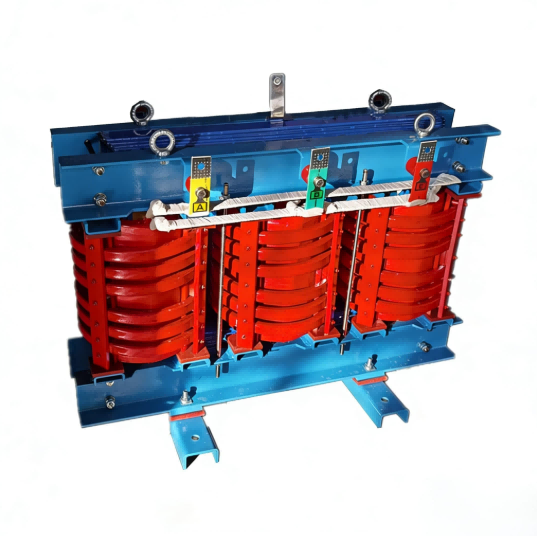
En résumé, l'efficacité ne se résume pas à une simple différence d'appellation entre transformateurs immergés dans l'huile et transformateurs secs, mais plutôt à une adéquation des conditions de fonctionnement. Les transformateurs immergés dans l'huile excellent par leurs faibles pertes globales et leurs marges thermiques plus importantes sous fortes charges et sur de longues durées de fonctionnement. Les transformateurs secs, quant à eux, excellent par leur fonctionnement sans entretien, leur propreté, leur sécurité et leur efficacité comparable sous des charges raisonnables (en évitant les surcharges). Ce qui nuit réellement à l'efficacité, ce n'est jamais le type de transformateur en lui-même, mais plutôt deux erreurs d'adaptation : la surcharge (mise sous tension d'une faible charge alors que le transformateur est sous-utilisé) ou la sous-charge (surchauffe et limitation de la capacité de charge).

Adresse : Room 201, West Building A, Dawei Logistics, Xihai Industrial Zone, Lecong Town, Shunde District, Foshan City
Vous pouvez vous désabonner à tout moment. Pour cela, veuillez trouver nos coordonnées dans les mentions légales.


 IPv6 RÉSEAU PRIS EN CHARGE
We will contact you as soon as possible
Hi! Click one of our members below to chat on
