
 en
en fr
fr es
es
Du point de vue des matières premières, la différence fondamentale entre Transformateurs de type sec et transformateur immergé dans l'huileCela réside dans les différents matériaux isolants et d'encapsulation des enroulements, qui déterminent la composition de l'ensemble de leur système de matériaux.
Isolation du noyau : huile ou air + isolation solide
transformateur immergé dans l'huile
Matériau isolant principal : huile isolante minérale (raffinée à partir de fractions de pétrole, telles que l’huile naphténique et l’huile paraffinique).
L'huile isolante remplit deux fonctions principales : l'isolation électrique et la dissipation de la chaleur.
L'huile remplit tous les espaces entre les enroulements, entre les enroulements et le noyau, et entre les enroulements et le réservoir.
Transformateurs de type sec
Matériau d'isolation principal : Isolation solide, sans isolation liquide.
Trois approches techniques courantes :
Coulée de résine époxy (méthode courante) : les enroulements sont coulés sous vide et enrobés de résine époxy.
Isolation en papier Nomex (classe H) Transformateurs de type secPapier polyamide aromatique DuPont + air) :
Type d'imprégnation de fibres de verre : Résine renforcée de fibres de verre
La dissipation de la chaleur repose entièrement sur la convection de l'air (AN) ou sur la ventilation forcée par ventilateur (AF).
Matière principale : Essentiellement la même
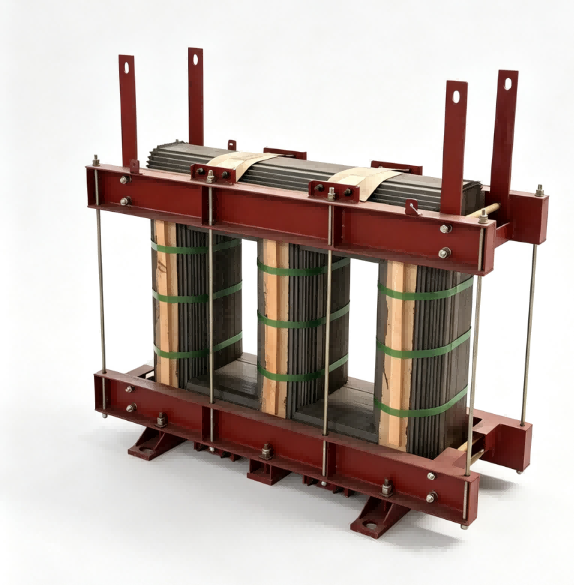
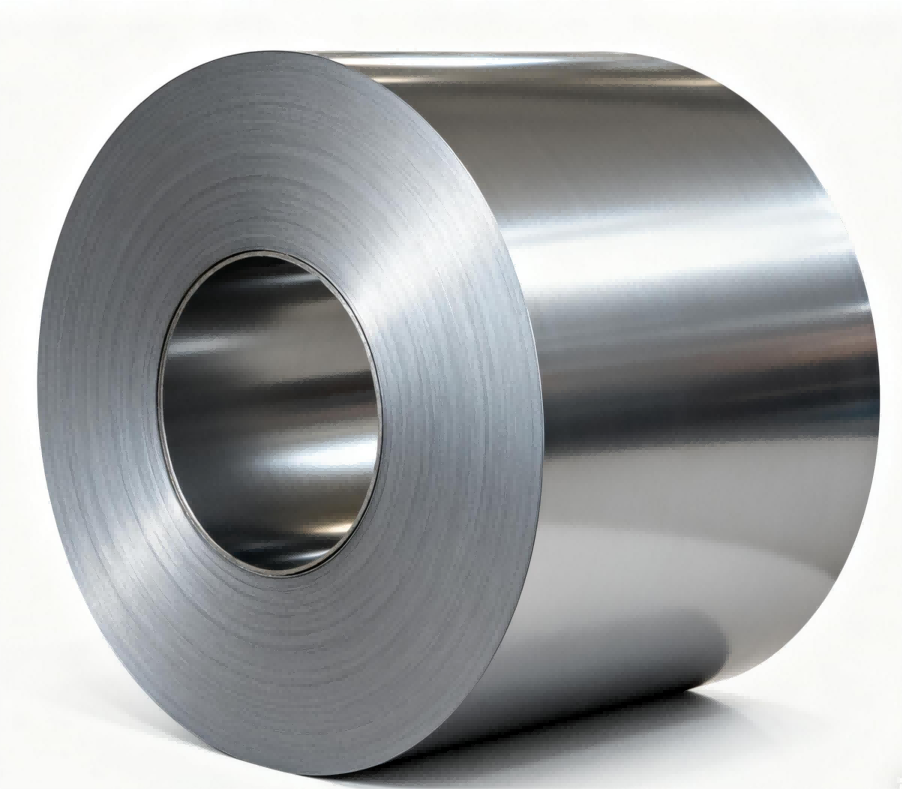
Les deux noyaux utilisent du bois laminé à froid à grains orientés tôles d'acier au silicium (CRGO), transformé par empilage ou enroulement. Il n'y a pas de différence fondamentale dans cette matière première. Certains haut de gamme Transformateurs de type sec utiliser noyaux en alliage amorphe afin de réduire les pertes à vide, mais cela ne constitue pas un critère de distinction entre les catégories de produits.
Différences de matériaux entre le réservoir de carburant et les composants structurels
transformateur immergé dans l'huile
Réservoir à mazout : Tôle d'acier soudée, surface intérieure revêtue de vernis isolant
Accessoires : séparateur d’huile, durites de refroidissement/radiateur, relais de gaz, durite antidéflagrante, déshydratant (filtre en silicone), vanne de filtre à huile
Ces composants sont eux-mêmes des matières premières importantes.
Transformateur sec
Boîtier : Boîtier de protection en alliage d'aluminium ou en tôle d'acier (IP20/IP23), sans réservoir d'huile
Pas de conservateur d'huile, pas de radiateur, pas de relais à gaz
Seuls un système de contrôle de température (sonde PT100 + régulateur de température) et un ventilateur de refroidissement (en option)
La consommation globale de matériaux est nettement inférieure à celle des transformateurs à mazout.
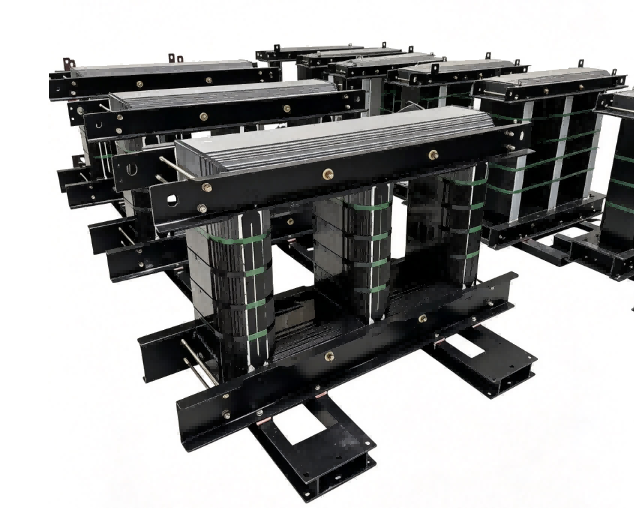
Les transformateurs à huile utilisent l'huile pour l'isolation et la dissipation de la chaleur, ce qui permet d'avoir des enroulements nus et un réservoir d'huile épais et lourd ; les transformateurs à sec utilisent une résine époxy pour l'isolation et l'air pour la dissipation de la chaleur, ce qui permet d'obtenir des matériaux plus légers et plus propres, mais le coût des matériaux époxy eux-mêmes n'est pas négligeable.

Adresse : Room 201, West Building A, Dawei Logistics, Xihai Industrial Zone, Lecong Town, Shunde District, Foshan City
Vous pouvez vous désabonner à tout moment. Pour cela, veuillez trouver nos coordonnées dans les mentions légales.


 IPv6 RÉSEAU PRIS EN CHARGE
We will contact you as soon as possible
Hi! Click one of our members below to chat on
